


Crypto All-Stars Unleashing the world of gaming is experiencing a revolution, and it is powered by blockchain games. What began as a niche experiment at the intersection of technology and entertainment has transformed into a global movement where crypto gaming, NFT assets, and play-to-earn rewards are rewriting the rules of what it means to play, own, and earn in virtual worlds. These are the new crypto all-stars: players, developers, and projects that are unleashing the full potential of decentralized technology in games.Traditional games have always offered engaging experiences, but something was missing: true ownership and meaningful economic participation for players.Crypto All-Stars Unleashing Gamers could spend thousands of hours and significant money on in-game items, yet those items remained locked inside centralized servers, controlled entirely by game publishers. With the rise of blockchain games, that dynamic is shifting. Players can now own, trade, and even monetize their in-game achievements in ways that were never possible before.This transformation is not happening in isolation. It is part of a broader movement known as Web3 gaming, where decentralization, smart contracts, and cryptocurrency rewards merge to form new gaming ecosystems. In these ecosystems, players are not just users; they are stakeholders. They can participate in governance, benefit from token economies, and build long-term value through digital ownership.In this article, we will explore how blockchain games work, why they are attracting so much attention, and how Crypto All-Stars Unleashing are setting new standards for innovation and community-driven growth. We will break down the technology, the economics, and the strategies that both newcomers and experienced gamers can use to thrive in this rapidly evolving world.
Understanding Blockchain Games and Why They Matter
At the core, blockchain games are video games that integrate blockchain technology to manage assets, transactions, and game logic in a transparent and secure way. Instead of storing game items on centralized servers, these games use distributed ledgers such as Ethereum, Solana, Polygon, or other Web3 networks to record who owns what.This means that when a player acquires a rare sword, skin, or character in a blockchain game, that item is often represented as an NFT, or non-fungible token. Because the NFT exists on a blockchain, the player can hold it in their own wallet, trade it on open marketplaces, or use it across compatible platforms. This level of interoperable digital ownership is a significant upgrade from traditional games, where items can be deleted, restricted, or lost if the game shuts down.Blockchain games matter because they treat gamers as genuine participants in a digital economy rather than simple consumers. By combining gameplay with tokenized rewards and on-chain mechanics, these games introduce new forms of value creation. Players can earn tokens, sell items, stake assets, and participate in governance decisions that shape the future of their favorite titles.In other words, blockchain games unlock a model where fun, creativity, and financial opportunity coexist. This is why so many Crypto All-Stars Unleashing—from influential investors to professional gamers—are turning their attention to this new frontier.
How Blockchain Technology Powers Next-Generation Gaming
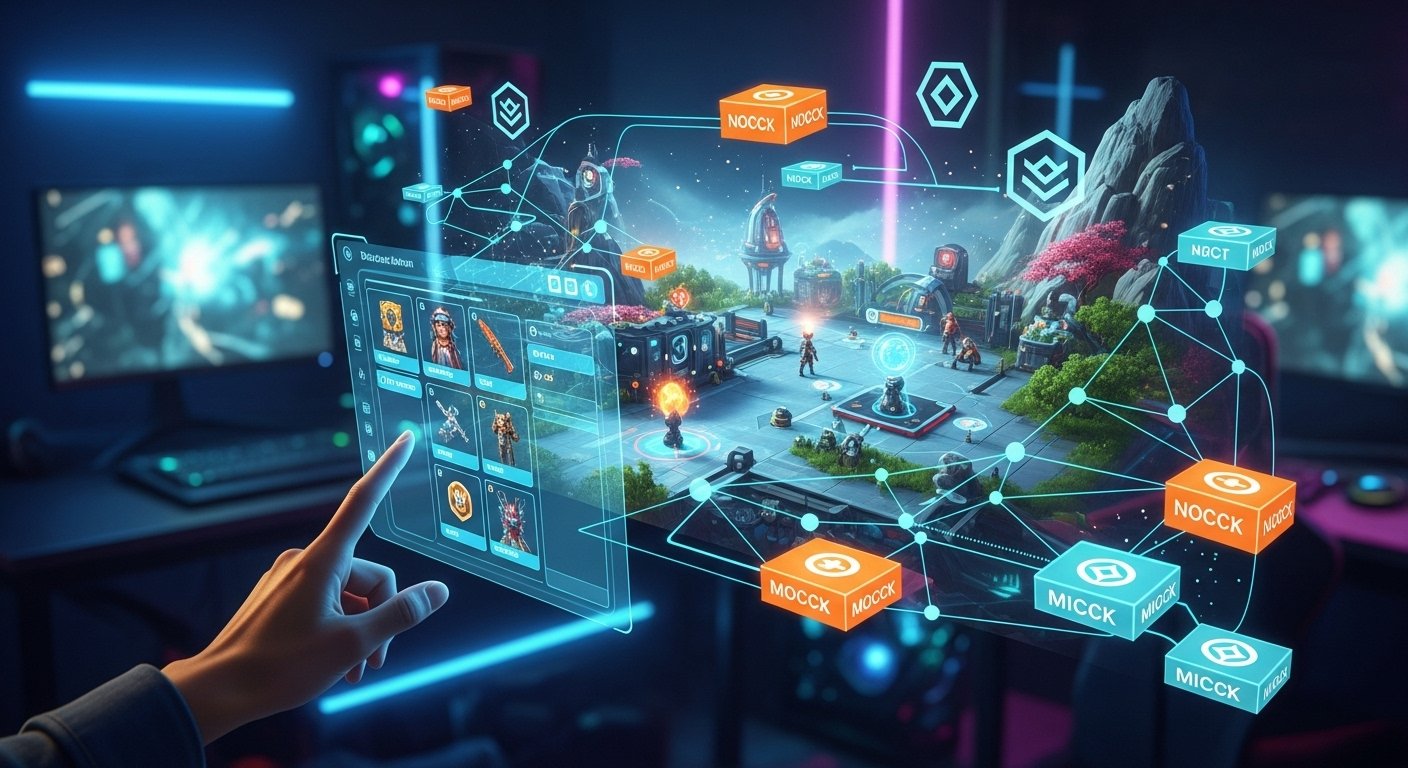
Blockchain technology introduces features that are uniquely suited for gaming: transparency, security, scarcity, and programmability. These attributes work together to support fair, dynamic, and economically powerful blockchain games.
Transparency and Trust in Game Economies
Because blockchains are public ledgers, every transaction in a blockchain game is recorded and verifiable. This transparency eliminates many of the trust issues that have plagued online games for years. Players can see how items are minted, how often they are issued, and what rules govern their distribution.This transparency is especially important in play-to-earn models, where players invest time and sometimes capital with the expectation of receiving crypto rewards. When game logic and economic rules are encoded into smart contracts, users can verify that rewards are distributed fairly. This helps establish a deeper sense of trust and attracts both casual gamers and serious investors to the ecosystem.
True Digital Ownership and Scarcity
One of the defining features of NFT gaming is digital scarcity. When game items are represented as NFTs, they can be limited in number, provably rare, and traceable across their entire history. Players can confirm that they own a unique or limited-edition asset, giving it real value in the broader crypto marketplace.True digital ownership also means players are no longer at the mercy of centralized servers. If a game studio decides to shut down a traditional game, all in-game items usually vanish. In contrast, assets in blockchain games continue to exist on the blockchain. Even if the original game disappears, those NFTs can be repurposed, integrated into new experiences, or preserved as digital collectibles.
Programmable Economies with Smart Contracts
Smart contracts are self-executing pieces of code that run on blockchains. In gaming, they are used to automate in-game economies, manage staking mechanisms, distribute rewards, and enforce rules without intermediaries.For example, a blockchain game might issue governance tokens that give players voting power over future updates. These tokens can be distributed according to predefined smart contract rules based on performance, participation, or ownership. The result is a living, programmable economy that can evolve in response to community decisions rather than top-down corporate mandates.
The Rise of Play-to-Earn and GameFi
Among the most exciting developments in blockchain games is the emergence of play-to-earn, often abbreviated as P2E. Unlike traditional gaming, where rewards are limited to entertainment value and occasional status within a community, play-to-earn enables players to generate tangible income.
What Is Play-to-Earn in Blockchain Games?
Play-to-earn refers to game models that reward players with tokens or valuable digital assets simply for playing, completing tasks, or contributing to the ecosystem. These tokens can often be traded on crypto exchanges, converted into other cryptocurrencies, or even cashed out into fiat currencies.Many modern Web3 gaming platforms design their entire experience around play-to-earn incentives. Players can earn native game tokens, NFT characters, or virtual land by completing missions, winning battles, or participating in tournaments. Some gamers, especially in emerging markets, have turned play-to-earn into a full or part-time income stream.This trend has led to the rise of GameFi, a fusion of gaming and decentralized finance. In GameFi ecosystems, players can stake tokens, provide liquidity, farm yields, or participate in DeFi protocols integrated directly into their favorite games. This blending of finance and entertainment adds profound depth to gaming economies.
Benefits and Challenges of Play-to-Earn
The benefits of play-to-earn are compelling. Players gain more control over their time and value, communities grow stronger as more people are financially invested in the success of a game, and developers can design richer long-term ecosystems. The idea that time spent gaming can produce real-world value attracts both gamers and non-gamers eager to explore crypto income opportunities.However, play-to-earn is not without challenges. Overly speculative models can become unsustainable if they focus solely on token price rather than solid gameplay. To succeed, blockchain games must balance engaging mechanics with healthy economic design. The most promising Crypto All-Stars in this space are building games where the fun comes first, and the financial opportunities are a natural extension of a great experience.
NFTs, Skins, and Virtual Land: Assets of the Crypto All-Stars
A key pillar of blockchain games is the concept of tokenized assets. These assets come in many forms, including cosmetic skins, weapons, characters, and entire plots of virtual land. All of these can be encoded as NFTs, allowing for secure, tradeable, and interoperable ownership.
NFT Avatars and In-Game Identities
In many NFT gaming ecosystems, players are represented by unique avatar NFTs. These avatars may carry specific abilities, stats, or appearances that influence gameplay. Because they are on-chain assets, players can showcase them across various platforms, trade them on secondary markets, or even lend them to other gamers through scholarship programs.These avatars often become the digital identities of Crypto All-Stars, serving as their recognizable presence across multiple games, social platforms, and metaverse environments. This continuity of identity strengthens community bonds and gives players a sense of persistent presence in the Web3 universe.
Virtual Land and the Metaverse
Another powerful concept in blockchain games is virtual land ownership. In metaverse-style games, the world is divided into parcels of digital real estate, each represented by NFTs. Owning land confers benefits such as the ability to host experiences, build structures, run businesses, or earn a share of in-game revenue.The integration of metaverse experiences with NFT-based land ownership has given rise to new business models. Creators can design venues, galleries, mini-games, or social hubs and monetize them through ticket sales, advertising, or in-world commerce. This transforms players into builders and entrepreneurs, strengthening the economic foundation of the entire ecosystem.
How Crypto All-Stars Are Shaping the Future of Gaming
The term Crypto All-Stars captures a growing community of influential players, developers, content creators, and investors who are championing the future of blockchain games. Their contributions go beyond playing; they shape culture, strategy, and innovation.
Developers Building Web3-First Experiences
On the development side, teams are experimenting with new models of decentralized game design. Instead of keeping all power in the hands of a studio, some projects gradually hand control to their communities through DAO structures. Governance tokens allow players to vote on feature changes, balancing adjustments, and long-term roadmaps.These developers are also pushing the boundaries of scalability and user experience. Through layer 2 solutions, sidechains, and faster blockchains, they aim to reduce fees and transaction times so that Web3 gaming can feel as smooth as traditional titles. By obsessing over usability, these Crypto All-Stars make blockchain games more accessible to mainstream audiences.
Players and Guilds Driving Economic Value
Players are more than customers in this new ecosystem. They form gaming guilds, coordinate strategies, and invest collectively in assets like NFTs and land. Guilds may lend rare assets to members, fund promising beginners, and share in the rewards generated by play-to-earn activities.This collective organization amplifies the impact of blockchain games. Guilds and communities can boost liquidity, stabilize game economies, and attract fresh talent. Many of these groups have become influential voices, advising developers on balancing, sustainability, and community engagement.
Influencers, Streamers, and Educators
Content creators have always played a major role in gaming, and the same is true for blockchain games. Influencers, streamers, and educators produce tutorials, live streams, and analysis that help newcomers understand complex concepts like wallet security, tokenomics, and NFT trading.These Crypto All-Stars act as bridges between traditional gamers and the world of Web3. By demystifying terminology and showcasing real gameplay, they reduce barriers to entry and help the ecosystem grow organically.
Getting Started with Blockchain Games Safely and Smartly
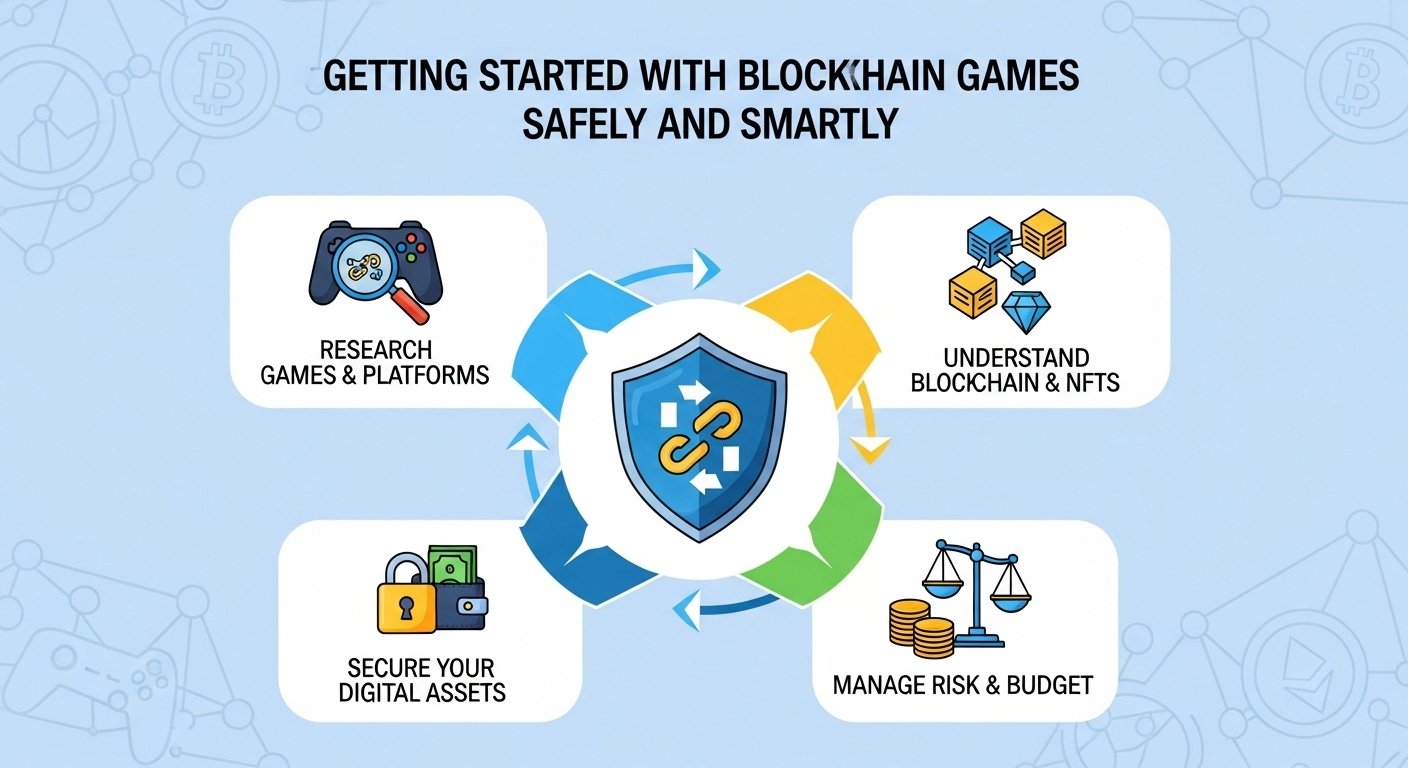
For newcomers, entering the world of blockchain games can feel overwhelming. There are wallets to set up, tokens to purchase, and unfamiliar terms to navigate. However, with a thoughtful approach, the process becomes manageable and rewarding.
Choosing the Right Wallet and Network
The first step is to choose a secure crypto wallet compatible with the blockchain of your chosen game. Popular wallets allow you to store tokens, manage NFTs, and connect to decentralized applications. It is essential to back up your seed phrase and practice strong security habits, because your wallet is the gateway to your digital assets. Next, you must understand which network your blockchain game uses. Some operate on Ethereum, while others use chains like BNB Chain, Polygon, or specialized gaming networks. Transaction fees, speed, and ecosystem tools vary across networks, so it is helpful to choose games that align with your budget and technical comfort level.
Research, Community, and Long-Term Thinking
Before committing time or money to any play-to-earn opportunity, research is crucial. Study the whitepaper, review the team’s background, and observe how active the community is. Established Web3 gaming communities on platforms like Discord, Telegram, and X often offer insights into the health of a project.Think long-term rather than chasing quick gains. Sustainable GameFi projects focus on strong gameplay, balanced economies, and clear utility for their tokens. When you adopt a long-term mindset, you are more likely to align with games that continue to thrive and deliver value over time.
The Future of Blockchain Games and the Road to Mass Adoption
The future of blockchain games looks promising as technology improves, regulation evolves, and mainstream audiences become more familiar with digital assets. Several key trends may accelerate their journey to mass adoption.We can expect smoother user experiences that hide much of the complexity of crypto wallets and smart contracts behind intuitive interfaces. Free-to-play entry points combined with optional NFT upgrades may bring traditional gamers into the ecosystem without requiring large upfront investments.Cross-game interoperability is another powerful trend. As more studios embrace open standards, players may be able to carry their NFT avatars and other assets across multiple titles, building a persistent identity and inventory that transcends any single game. This vision aligns closely with the broader metaverse concept, where interconnected virtual worlds form a unified digital universe.
Regulatory clarity around digital assets and crypto tokens will also play a role. As governments and institutions develop clearer frameworks, more traditional brands, esports organizations, and mainstream studios may feel comfortable launching or partnering with blockchain gaming projects.Ultimately, the road to mass adoption will be paved by experiences that are genuinely fun, emotionally engaging, and socially rich. When Crypto All-Stars deliver games that players love on their own terms, the underlying blockchain technology becomes an invisible yet powerful engine driving the next era of interactive entertainment.
Conclusion: Why Crypto All-Stars and Blockchain Games Are Here to Stay
Blockchain games are no longer a passing trend; they are a foundational part of the evolving Web3 ecosystem. By combining true digital ownership, play-to-earn opportunities, and community-driven governance, they offer a radical reimagining of how games can work. Players become co-creators and stakeholders, developers gain new tools and monetization models, and innovators across the world collaborate to build rich, interoperable virtual economies.The Crypto All-Stars leading this movement—developers, players, creators, and investors—are proving that gaming can be much more than entertainment. It can be a pathway to financial empowerment, creative expression, and global collaboration. As technology continues to mature and more people discover the possibilities of blockchain games, the boundary between playing and participating will continue to fade.If you are curious about the future of gaming, now is the time to explore, learn, and maybe even join the ranks of these Crypto All-Stars. The next legendary game, community, or digital universe could be just a few clicks away.
FAQs
Q: What makes blockchain games different from traditional games?
Blockchain games differ from traditional games because they use decentralized technology to handle ownership, transactions, and game logic. Instead of storing items on company servers, many blockchain games use NFTs and tokens on public blockchains, giving players true control over their digital assets. This enables players to trade, sell, or transfer items outside the game environment and even use them across different platforms, making the gaming experience more flexible and financially meaningful.
Q: Are play-to-earn blockchain games really profitable?
Play-to-earn games can be profitable, but profitability depends on many factors, including market conditions, game design, token stability, and player strategy. Some individuals and guilds have earned significant income from play-to-earn models, especially during periods of high demand for certain tokens and NFTs. However, these opportunities also carry risk, as token prices can fluctuate and unsustainable game economies can decline. It is important to approach play-to-earn with research, risk management, and a focus on games that prioritize strong gameplay alongside economic incentives.
Q: Do I need a lot of money to start playing blockchain games?
Not necessarily. While some blockchain games require upfront purchases of NFTs or tokens, many newer titles are adopting free-to-play or low-cost entry models. Players can often start with basic characters or assets and gradually build their collections over time. Some communities and guilds even provide scholarships or asset loans to newcomers, allowing them to experience NFT gaming and GameFi without significant initial investment. As always, it is wise to start with amounts you can afford and learn the ecosystem before making larger commitments.
Q: Are blockchain games safe and secure?
Blockchain games offer security advantages because they rely on cryptographic systems and transparent ledgers. However, safety also depends on the quality of the game’s smart contracts, the reputation of the development team, and the user’s own security practices. Players should protect their crypto wallets, never share their seed phrases, and be cautious of phishing links or unofficial marketplaces. Choosing reputable projects, double-checking URLs, and enabling additional security features can significantly reduce risks while enjoying Web3 gaming.
Q: How can I find the best blockchain games to play?
Finding the best blockchain games involves a mix of research, community engagement, and personal preference. Start by exploring reputable Web3 gaming hubs, social channels, and content from trusted influencers or educators. Look for games with active communities, clear roadmaps, and transparent teams. Consider whether the gameplay appeals to you, how the tokenomics are structured, and whether the project focuses on long-term sustainability rather than short-term speculation. By combining your own interests with solid due diligence, you can discover experiences that are both enjoyable and rewarding in the world of crypto gaming.
See More: Crypto Lending Boom DeFi Drives Record $73.6B Surge
