



Zand’s AED-backed stablecoin marks the first time the dirham has been made available in a blockchain-native format under full regulatory supervision. As a licensed digital bank, Zand issues each unit of its stablecoin with a corresponding real dirham held securely in segregated reserves. This ensures a one-to-one peg that gives the token a stable value identical to physical AED while allowing it to circulate freely across public blockchain networks.
The regulatory oversight behind the stablecoin separates it from many unregulated global tokens. Zand’s AED-backed stablecoin issuance operates under official UAE financial frameworks, ensuring compliance with strict reserve management, reporting and consumer protection measures. This approach reflects the UAE’s intent to establish itself as a global leader in regulated digital assets while prioritizing trust, transparency and long-term stability.
How Zand’s AED-Backed Stablecoin Works
The Zand’s AED-backed stablecoin maintains its value by adhering to a clear and transparent full-reserve model. Each token corresponds to one actual dirham deposited in a controlled and audited account. Users can trust that the stablecoin they hold is not dependent on speculative markets but instead reflects the value of the national currency itself.
One of the most notable features of the stablecoin is its availability across multiple blockchain networks. This multi-chain design ensures wider adoption, greater developer flexibility and broader interoperability. Whether users prefer fast, low-fee blockchains or networks tailored for decentralized finance applications, the token is designed to adapt and coexist across them all.
Transparency is reinforced through the publication of regular audits, on-chain data and verifiable smart-contract logic. These elements give users clear visibility over issuance, circulation and reserve backing, which contributes to an ecosystem where confidence is built on verifiable transparency rather than marketing claims.
The Role of Zand in Advancing UAE’s Digital Finance Vision
Zand is recognized as a forward-thinking digital bank built around artificial intelligence and institutional-grade financial services. Its launch of the AED-backed stablecoin is one part of its broader mission to position the UAE as a global centre for digital assets, programmable money and blockchain-based financial infrastructure.
Over recent years, Zand has introduced institutional custody services, advanced digital banking features and partnerships with major blockchain leaders. This network enables Zand to blend the reliability of traditional banking with the innovation of decentralized technologies. By launching an AED-denominated stablecoin, Zand strengthens the UAE’s vision of financial modernization and contributes to a more globally competitive economy driven by innovation and regulatory clarity.
Why an AED-Backed Stablecoin Matters for the UAE’s Economy
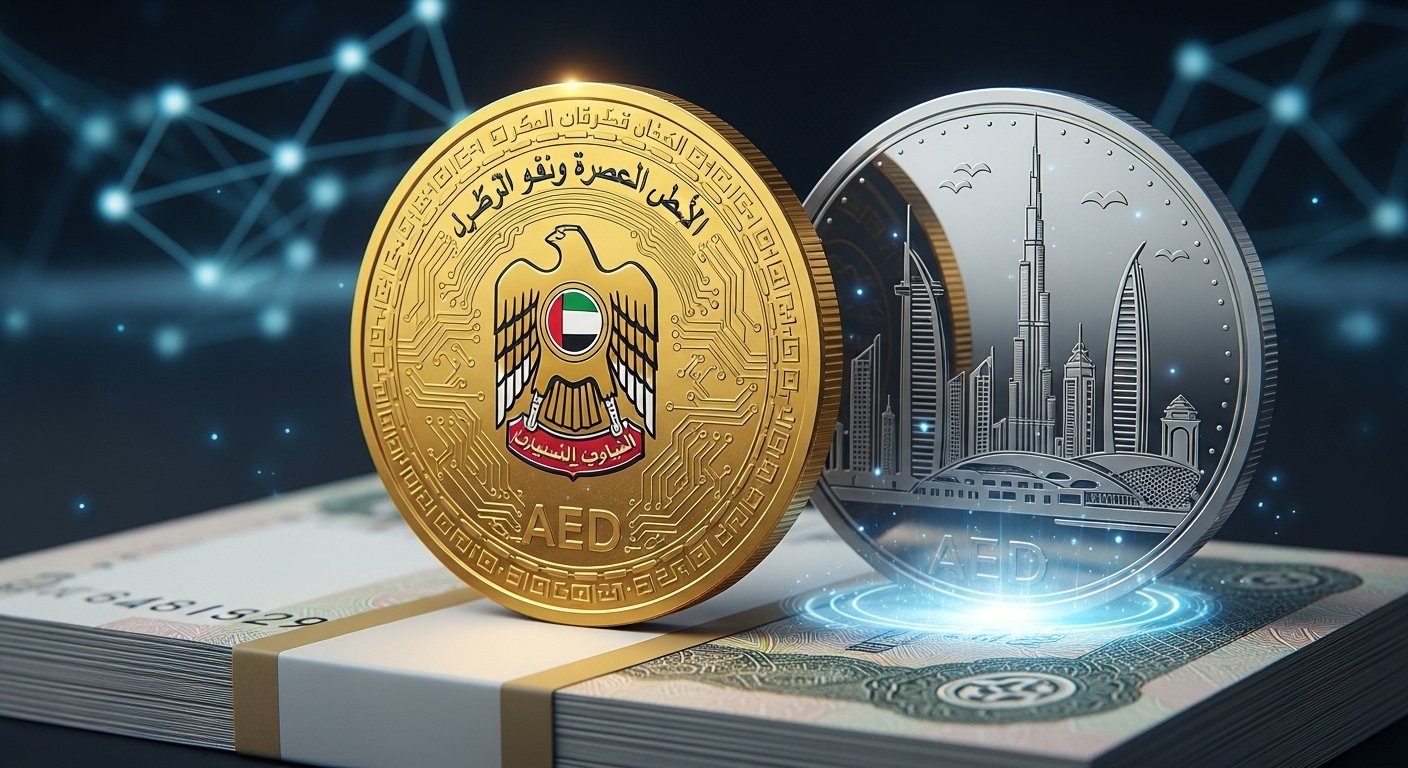
The introduction of an AED-backed stablecoin expands the functionality of the dirham and increases its relevance in a digital-first world. Businesses within the UAE and beyond can now settle payments, conduct commercial transactions or participate in blockchain ecosystems using a digital currency tied directly to the UAE’s national monetary system.
This innovation aligns with the country’s broader economic strategies, including its commitment to digital government, financial modernization and global competitiveness. A blockchain-native dirham creates new opportunities for entrepreneurs, developers and multinational corporations, leading to more efficient business operations and a more attractive environment for Web3 and fintech startups.
Beyond innovation alone, a stable, regulated digital currency also helps reduce reliance on foreign-pegged digital assets, strengthens financial sovereignty and encourages broader adoption of the dirham as a settlement currency in international transactions.
The Connection Between Zand AED and the UAE’s Broader Stablecoin Ecosystem
The launch of Zand’s stablecoin follows the UAE’s recent approval of AE Coin, a separate AED-backed stablecoin operating under the Payment Token Service Regulatory Framework. The existence of multiple regulated dirham stablecoins signals a healthy, competitive and well-supervised ecosystem. The UAE appears focused on building a dynamic environment where both specialized issuers and licensed banks can offer payment tokens backed by the dirham.
This multi-issuer environment reflects the UAE’s belief that innovation thrives through competition. It also ensures resilience, diversity of choice and broader adoption across various industries. Each stablecoin plays a different role, with Zand’s product specifically serving the needs of corporates, institutions and developers seeking a bank-issued token supported by robust banking infrastructure.
TradFi Meets DeFi: The Strategic Importance of Zand AED
Zand’s approach combines the strengths of Traditional Finance with the innovation of Decentralized Finance. The stablecoin maintains the reliability of a bank-issued currency while being fully compatible with decentralized protocols, wallets and blockchain applications. This convergence allows various institutions and businesses to explore DeFi solutions without exposing themselves to the volatility of unregulated cryptocurrencies.
Corporate users can benefit from automated payment flows, smart-contract-driven supply-chain finance, instant settlements and on-chain treasury strategies. Meanwhile, developers gain access to a trusted, locally denominated stable asset that can underpin lending protocols, liquidity pools, decentralized applications and tokenized markets.This blending of TradFi and DeFi is essential for the UAE’s long-term ambition to lead in the tokenized economy. It ensures that digital finance evolves under regulatory boundaries while remaining open to innovation.
Impact on Cross-Border Payments and Remittances
The UAE is a global hub for cross-border remittances, with millions of workers and companies depending on fast, affordable international transfers. Zand’s stablecoin has the potential to overhaul this system by using blockchain rails to settle transfers within seconds, reducing fees and improving transparency.
Businesses engaging in global trade can streamline settlement processes while reducing exposure to FX risks. Individuals sending money to family members abroad can rely on rapid, cost-efficient transfers without unnecessary intermediaries. The introduction of a blockchain-native dirham thus becomes a powerful tool for modernizing the UAE’s global financial links.
Regulatory Foundations Supporting Zand’s Stablecoin
The UAE has developed one of the world’s most advanced regulatory ecosystems for digital assets. The Payment Token Services Regulation establishes the core framework for how stablecoins operate, ensuring transparency, full reserve backing and consumer protection.
Meanwhile, the Dubai Virtual Asset Regulatory Authority oversees custody services and certain digital asset activities, ensuring that institutions like Zand can store and manage digital assets with high security standards. This layered regulatory environment gives the stablecoin a solid foundation and increases user trust, especially among corporate and institutional clients seeking regulated digital asset solutions.
How Businesses Can Use Zand’s AED Stablecoin
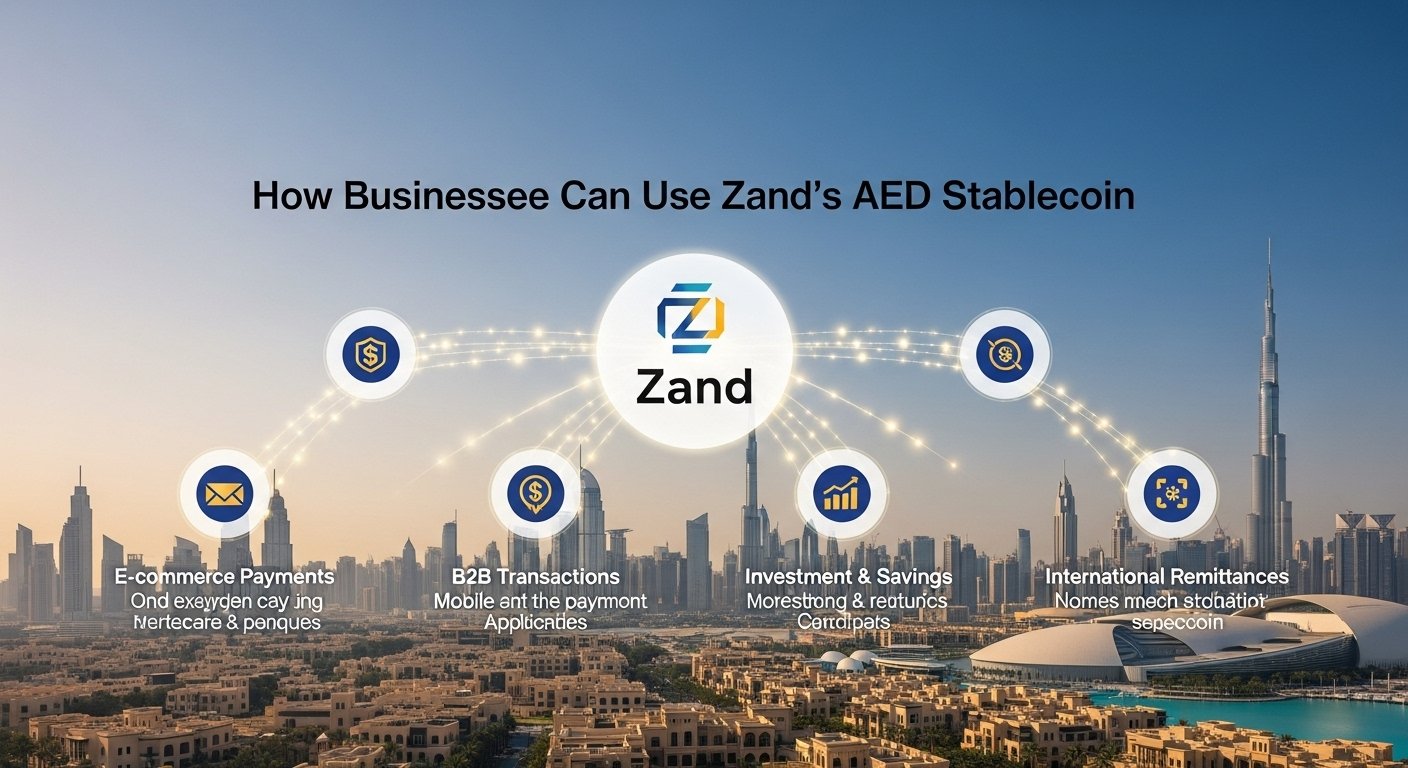
Businesses across the UAE and broader Middle East have much to gain from adopting the stablecoin. Corporations can streamline internal treasury transfers, automate payments using smart contracts and manage liquidity with precision. Companies engaged in import and export activities can settle invoices instantly while eliminating delays caused by traditional banking windows.
Enterprises participating in digital commerce, tokenized asset markets or advanced fintech ecosystems can use the stablecoin as a reliable medium of exchange. By denominating activities in AED, they avoid conversion risks and maintain predictable financial operations aligned with their base currency.
Opportunities for Developers, Startups and Web3 Innovators
For developers and Web3 entrepreneurs, Zand’s AED stablecoin introduces a new dimension of innovation. Applications built around non-custodial wallets, decentralized exchanges, gaming ecosystems, NFT platforms or decentralized lending protocols can all integrate a local-currency stablecoin that appeals to UAE-based users.Startups developing tokenized real estate, private credit marketplaces or programmable finance applications can use the stablecoin as a settlement token. Its regulatory backing and transparent peg make it ideal for serious financial products that require stability, compliance and trust.
Challenges and Risks to Consider
While the stablecoin is backed by strong regulatory foundations, several challenges remain. As with any stablecoin, there is a degree of trust placed in the issuer to maintain reserves, security standards and operational transparency. Any disruption in these areas could affect user confidence.
The technology itself introduces potential risks involving smart contract vulnerabilities, chain congestion or interoperability issues across networks. As the UAE continues to refine its regulatory approach to digital assets, users may also need to adapt to evolving compliance requirements and reporting standards.Despite these challenges, the advantages of a regulated, blockchain-native AED are significant, and Zand’s approach lays a sophisticated foundation for the UAE’s financial future.
Conclusion
Zand’s launch of the UAE’s first AED-backed stablecoin signifies an important milestone in the country’s evolution into a global digital finance leader. By combining the regulatory assurance of a licensed bank with the technological power of blockchain, Zand introduces a secure, transparent and innovative digital extension of the UAE dirham. This stablecoin not only enhances financial stability in digital ecosystems but also strengthens the UAE’s position as a hub for Web3 innovation, tokenized assets and programmable finance.The future of money in the UAE is undeniably digital, and with regulated stablecoins like Zand AED paving the way, the UAE is positioned to set global standards for the integration of blockchain and traditional finance.
FAQs
1. What is Zand’s AED-backed stablecoin?
It is a regulated digital asset issued by Zand, a licensed UAE digital bank, and backed one-to-one by actual UAE dirham reserves. Its purpose is to bring the dirham onto blockchain networks in a secure and transparent form.
2. How does the stablecoin maintain its value?
The value is maintained through full reserve backing. Every token corresponds to one real dirham held in segregated and audited bank accounts, ensuring the peg remains stable.
3. Who can Zand AED?
Businesses, developers, fintech platforms and individuals can all benefit. It supports fast settlements, on-chain payments, programmable finance, DeFi participation and tokenized asset transactions, all denominated in AED.
4. Is Zand AED the same as a Central Bank Digital Currency?
No. Zand AED is a bank-issued stablecoin backed by commercial bank reserves. A CBDC would be issued directly by the Central Bank of the UAE. However, the stablecoin aligns with the nation’s wider digital finance goals.
5. What makes this stablecoin important for the UAE economy?
It enhances financial innovation, strengthens economic competitiveness, supports blockchain adoption, enables instant payments and positions the UAE as a frontrunner in regulated digital finance.
