


Crypto Payroll Revolution of digital payments is undergoing its most profound transformation since the invention of online banking. As blockchain technology matures and global businesses search for faster, fairer, and more cost-efficient payment systems, the Crypto Payroll Revolution has emerged as a groundbreaking shift shaping the future of work. At the center of this revolution lies a powerful force: stablecoins. Unlike the volatility associated with typical cryptocurrencies, stablecoins provide the price stability needed for smooth salary distribution, international payments, and modern workforce management.Today, millions of freelancers, remote workers, and forward-thinking companies rely on stablecoin payroll systems to solve persistent salary challenges—from slow cross-border transfers to high bank fees and currency conversion losses. In this deep dive, we explore how stablecoins gained dominance, why they have become the preferred asset for crypto payrolls, and how they are redefining trust, transparency, and accessibility in global finance.
The Rise of Crypto Payroll: Why the Shift Began
As globalization accelerates and remote employment becomes the new normal, companies are hiring talent from every corner of the world. However, traditional payroll systems have struggled to adapt to this new landscape. International bank transfers often take several days, charge significant fees, and require complicated conversion processes. For workers living in countries with unstable currencies, these delays can mean real financial losses.The birth of crypto payroll offered a promising alternative. Cryptocurrencies enabled near-instant cross-border payments, lower fees, enhanced transparency, and a more inclusive ecosystem where workers could receive salaries without the need for a traditional bank account. Yet, many early adopters noticed a flaw: volatility.Bitcoin, Ethereum, and other major cryptocurrencies fluctuate in value significantly within short periods. Paying employees with these volatile assets posed new risks—workers could lose a portion of their income overnight.This paved the way for the true hero of the payroll revolution: stablecoins.
What Makes Stablecoins Ideal for Payroll?
Stablecoins are digital currencies pegged to stable assets such as the US Dollar, Euro, or commodities like gold. Popular examples include USDT, USDC, BUSD, and DAI. Their strength comes from offering the best of two worlds: stability and blockchain efficiency.
Stability That Mimics Traditional Money
The primary reason stablecoins dominate Crypto Payroll Revolution systems is their consistent value. Workers are not exposed to sharp price swings, making payments predictable. A freelancer receiving $1,000 in USDT today can confidently use or convert it tomorrow without worrying about depreciation.
Faster and Cheaper Transactions
Traditional wire transfers can take up to a week, especially when converting currencies across borders. With stablecoins, payments settle within minutes, regardless of the recipient’s location. Fees are significantly lower, which is especially beneficial for companies paying dozens or hundreds of employees worldwide.
Financial Inclusion for the Unbanked
Over 1.4 billion people globally lack access to traditional banking services. Stablecoin payroll systems provide them with a modern, accessible financial gateway. Workers only need a smartphone to receive and store their earnings securely.
Transparency and Trust
Blockchain technology ensures that stablecoin transactions are verifiable, traceable, and recorded on immutable ledgers. This transparency builds trust between employer and employee, reducing disputes and enabling a more accountable payment structure.
How Stablecoins Became the Backbone of Global Payroll Systems
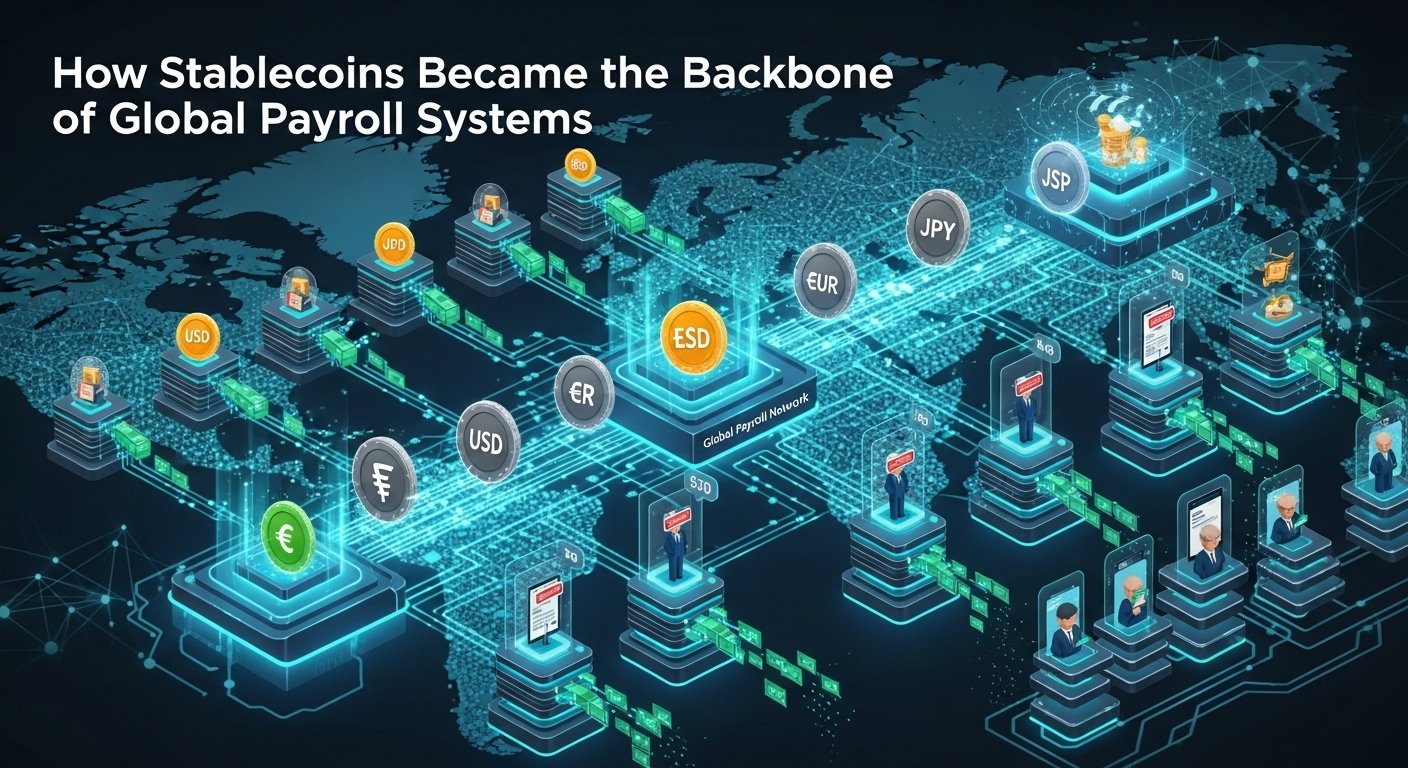
The dominance of stablecoins didn’t happen overnight. It was driven by several financial, technological, and social factors, each contributing to the global adoption we witness today.
Increasing Cross-Border Employment
Remote work accelerated dramatically after the global shift to digital operations. Companies required a seamless payment system capable of reaching workers regardless of geographic limitations. Stablecoins offered a universal solution—a currency format recognized globally and not tied to national banking infrastructures.
Support from Major Crypto Platforms
Popular blockchain platforms integrated stablecoins for payroll services, making it easy for businesses to adopt them without building complex infrastructure. Many HR and fintech companies now offer crypto payroll integrations, where stablecoins play a central role.
Growing Trust in Stablecoin Issuers
Stablecoin providers have improved their transparency by conducting regular audits, publishing reserve reports, and enhancing regulatory compliance. As a result, confidence in stablecoins like USDC and USDT has increased significantly.
A Shift Toward Digital Financial Independence
Workers today want more control over their money. Receiving payments directly in stablecoins allows users to save, invest, convert, or spend without relying on intermediaries such as banks. This financial independence aligns perfectly with modern digital lifestyles.
The Benefits of Using Stablecoins in Payroll Systems
Stablecoins have introduced a range of transformative benefits that traditional financial systems struggle to match. Their growing dominance is rooted in these key advantages:
Speed and Efficiency
In traditional payroll, batch payments, intermediary banks, and currency conversion delays often slow down the process. Stablecoins eliminate these obstacles, enabling companies to send payments instantly, even on weekends or holidays.
Reduced Transaction Costs
Cross-border transfers typically incur excessive fees due to banks, payment processors, and foreign exchange markups. Stablecoins remove these layers, significantly lowering payment expenses.
Improved Worker Satisfaction
Workers appreciate receiving payments faster and with full transparency. Being paid in stablecoins allows them to avoid local inflation, protect their income, and convert their salary into any currency at competitive rates.
Access to DeFi Opportunities
Unlike traditional salaries trapped in bank accounts, stablecoin payments can be easily integrated with Decentralized Finance (DeFi) platforms. Employees may earn interest, stake tokens, or participate in financial opportunities not available in local markets.
Stablecoins vs. Traditional Currency: A Detailed Comparison
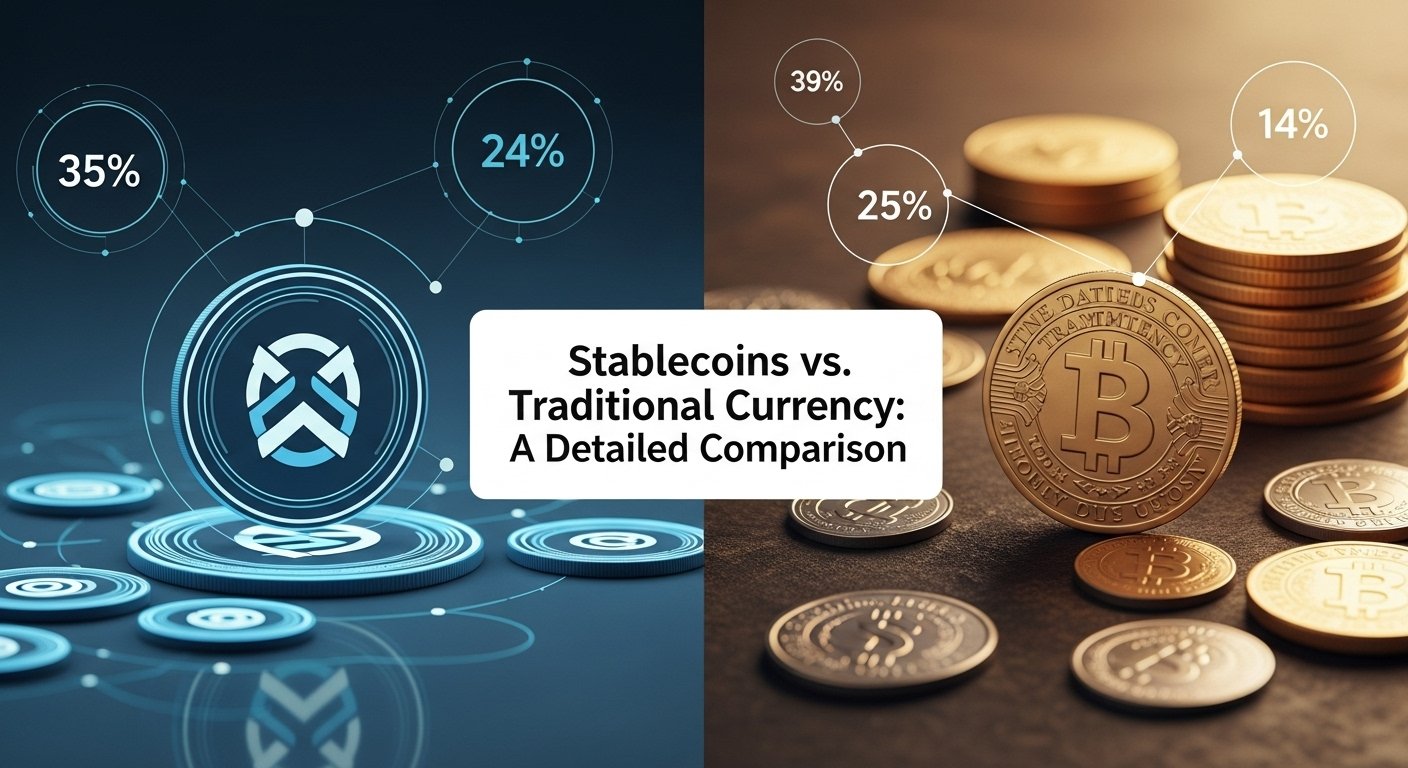
Stablecoins are often compared to conventional fiat money, yet they serve different purposes in payroll contexts.
Speed of Transactions
Real-time stablecoin transfers significantly outperform the slow speed of bank transfers, especially in international scenarios where intermediaries prolong the process.
Cost
While traditional banking imposes various charges—wire fees, transfer fees, exchange fees—stablecoins only require minimal gas fees, especially on efficient chains like Polygon, Tron, or BSC.
Geographical Flexibility
Traditional salary payments often depend on bank infrastructure, which can be inaccessible in certain regions. Stablecoins operate completely online, making them ideal for remote workers, freelancers, and global teams.
Currency Stability
Local currencies in regions suffering from inflation or political instability pose risks for workers. Stablecoins pegged to strong assets provide economic protection, ensuring employees maintain purchasing power.
The Role of Blockchain Networks in Stablecoin Payroll
Behind every stablecoin transfer lies a blockchain network responsible for processing transactions. Networks such as Ethereum, Tron, Solana, and Binance Smart Chain each offer unique advantages in speed, cost, and scalability.
Ethereum and Its Smart Contract Dominance
Ethereum remains the most trusted network for stablecoin transfers due to its decentralization and robust security. Although gas fees can be higher, Ethereum’s strong infrastructure continues to attract businesses looking for reliability.
Tron and Low-Cost Transfers
Tron has become extremely popular for stablecoin payroll because it offers fast transfers and negligible fees, making it perfect for companies sending large volumes of payments.
Solana and High-Speed Microtransactions
Solana’s ability to handle thousands of transactions per second at low cost makes it ideal for real-time payroll distribution and business operations where speed is critical.
Legal and Regulatory Developments Supporting Stablecoin Payroll

The global regulatory landscape is evolving as governments begin recognizing the importance of digital currencies. Regulatory frameworks are emerging to ensure stablecoin transparency, protect consumers, and prevent misuse. These developments are encouraging businesses to adopt stablecoins with greater confidence.Countries like the United States, Singapore, UAE, and parts of Europe are working toward regulatory clarity—promoting innovation while maintaining financial oversight. These regulations play a vital role in accelerating the crypto payroll revolution by providing legal legitimacy and reducing risk.
Challenges Facing Stablecoin Payroll Adoption
Despite their advantages, stablecoin payroll systems still face certain challenges that companies must navigate carefully.
Regulatory Uncertainty
Not all countries have clear crypto regulations, making it necessary for employers to local laws before implementing stablecoin payroll systems.
Technical Barriers
Setting up wallets, blockchain transactions, and maintaining security require basic technical literacy. However, modern user-friendly platforms are rapidly reducing these barriers.
Dependence on Digital Infrastructure
Stablecoin payrolls require internet access and digital devices. In regions with poor connectivity, adoption may be slower.
Corporate Resistance to Change
Some companies are hesitant to transition from traditional banking systems to digital payroll due to habit, fear of volatility, or compliance concerns
Real-World Use Cases of Stablecoin Payroll Systems
The dominance of stablecoins becomes even clearer when observing their practical applications in various industries.
Freelancing and Gig Economy
Platforms serving freelancers increasingly support stablecoin payouts. Remote workers benefit from instant payments and protection against currency instability.
Global Tech Companies
Tech startups and multinational companies use stablecoins to pay developers, marketers, and designers across continents, ensuring seamless salary distribution.
E-Commerce and Online Businesses
Online retailers and digital service providers pay contractors, suppliers, and customer support staff in stablecoins to streamline international operations.
NGOs and International Aid
Charities use stablecoins to deliver financial aid to communities in need, bypassing bureaucratic hurdles and ensuring funds reach recipients quickly.
The Future of the Crypto Payroll Revolution
Stablecoins are set to play an even more significant role in the global financial future. Advancements in blockchain technology, central bank digital currencies (CBDCs), and mass adoption of crypto wallets are accelerating this trend.As companies aim for greater efficiency and global reach, stablecoins will continue to dominate payroll systems—eventually becoming a standard payment method worldwide. The next decade will likely witness an even stronger integration of stablecoin payrolls with mainstream financial ecosystems, driven by innovation, regulatory acceptance, and user demand.
Conclusion
The crypto payroll revolution is reshaping how employees are paid, how companies operate, and how global finance functions. At the heart of this transformation lies the rise of stablecoins—digital currencies combining the stability of traditional money with the efficiency of blockchain technology. As businesses seek faster, cheaper, and more inclusive payment methods, stablecoins will continue dominating payroll systems across industries.Their stability, speed, global accessibility, and compatibility with modern financial tools make stablecoins a powerful solution for the future of work. While challenges remain, the direction is clear: stablecoin payrolls are becoming a cornerstone of the digital economy, empowering workers and businesses worldwide.
FAQs
Q: Why are stablecoins preferred over traditional cryptocurrencies for payroll?
Stablecoins maintain a stable value and avoid the volatility issues associated with major cryptocurrencies like Bitcoin and Ethereum, making them ideal for predictable salary payments.
Q: Are stablecoin payrolls legal?
Yes, in many countries stablecoin payrolls are legal, but regulations vary. Companies must review local laws to ensure compliance.
Q: How fast are stablecoin payments?
Stablecoin transactions typically settle within seconds or minutes, far surpassing the speed of traditional international bank transfers.
Q: Can employees convert stablecoins to fiat currency?
Absolutely. Workers can convert stablecoins to any fiat currency through crypto exchanges, P2P platforms, or payment applications.
Q: Are stablecoin payrolls secure?
Yes. Blockchain technology ensures transparency, security, and immutability. However, users must follow wallet security best practices to protect their assets.
