



Bitcoin Miners Tumble as Crypto Prices Slide the cryptocurrency market is once again navigating a turbulent phase, and few sectors are feeling the impact as intensely as Bitcoin mining. As crypto prices slide across the board, Bitcoin miners are tumbling under the combined weight of falling revenues, rising operational costs, and tightening margins. What was once a highly lucrative industry during bull markets now faces renewed scrutiny as profitability becomes harder to sustain.
Bitcoin mining has always been cyclical, deeply tied to price movements, network difficulty, and broader market sentiment. When prices rise, miners flourish, expanding operations and investing in new infrastructure. When prices fall, however, inefficiencies are exposed, weaker players struggle, and consolidation accelerates. The current downturn highlights these dynamics in real time.
We will explores why Bitcoin miners are tumbling as crypto prices slide, examines the economic pressures shaping the mining industry, and analyzes what this period could mean for miners, investors, and the broader Bitcoin ecosystem.
Bitcoin Miners Tumble as Crypto Prices
At the core of Bitcoin mining economics lies a simple equation: revenue is driven by the Bitcoin price multiplied by block rewards and transaction fees, while costs are dominated by energy, hardware, and operational expenses.
When crypto prices slide, miners immediately feel the impact on the revenue side of this equation. Each mined Bitcoin is worth less in fiat terms, while most costs remain fixed or even increase. This imbalance compresses profit margins and forces miners to reassess their operations.
Because Bitcoin’s protocol adjusts mining difficulty rather than price, miners cannot rely on the network to compensate for falling prices. Instead, they must absorb the shock or exit the market.
Why Bitcoin Miners Are Tumbling During Market Downturns
The phrase “Bitcoin miners tumble” reflects more than just declining stock prices of mining companies. It captures a broader stress across the entire mining ecosystem.
Publicly traded mining firms often see their share prices fall faster than Bitcoin itself during downturns. This is because miners are leveraged plays on Bitcoin’s price, with high fixed costs amplifying downside risk.
Privately operated miners also feel the pressure, even if their struggles are less visible. Cash flow constraints, debt obligations, and equipment depreciation all contribute to the sense that miners are tumbling alongside sliding crypto prices.
The Impact of Falling Crypto Prices on Mining Revenue
As crypto prices slide, mining revenue declines almost instantly. Block rewards are fixed in Bitcoin terms, but their fiat value fluctuates with the market.
Transaction fees, which can sometimes supplement miner income, also tend to decrease during periods of low network activity. Fewer transactions mean less competition for block space, reducing fee revenue.
This double hit to income places miners in a vulnerable position, especially those operating with thin margins or outdated equipment.
Rising Energy Costs Add to the Pressure
Energy costs are the single largest expense for most Bitcoin miners. In many regions, electricity prices have risen due to broader economic and geopolitical factors.
When crypto prices slide, miners cannot easily offset higher energy costs with increased revenue. This dynamic disproportionately affects miners in regions with expensive or unstable energy supplies.
Efficient miners with access to low-cost power are better positioned to weather downturns, while others face difficult decisions about scaling back or shutting down operations.
Mining Difficulty and Its Role in Miner Stress
Bitcoin’s mining difficulty adjusts periodically to ensure a consistent block production rate. During downturns, some miners shut down, reducing total network hash rate.
In theory, lower hash rate leads to lower difficulty, which can improve profitability for remaining miners. However, this adjustment often lags behind price declines, prolonging periods of stress.
As a result, miners may endure weeks or months of unprofitable operations before difficulty levels align with new market conditions.
Hardware Costs and Depreciation Challenges
Mining hardware represents a significant upfront investment. Specialized ASIC machines are expensive and depreciate rapidly as newer, more efficient models enter the market.
When crypto prices slide, the resale value of mining hardware also falls. This limits miners’ ability to liquidate assets to cover expenses or restructure operations.
Older machines become unprofitable sooner, accelerating the exit of less efficient miners and contributing to industry consolidation.
Public Bitcoin Mining Companies and Stock Market Reactions
Publicly listed Bitcoin mining companies often experience amplified volatility compared to the underlying asset. Investors react not only to Bitcoin’s price but also to balance sheet strength, debt levels, and operational efficiency.
As crypto prices slide, these stocks frequently tumble, reflecting concerns about profitability and long-term viability. This can restrict access to capital markets, making it harder for miners to raise funds or refinance debt.
The stock market response adds another layer of pressure, particularly for companies that expanded aggressively during previous bull cycles.
Debt and Leverage in the Mining Industry
During periods of high Bitcoin prices, many mining companies took on debt to expand operations, purchase equipment, or secure energy contracts.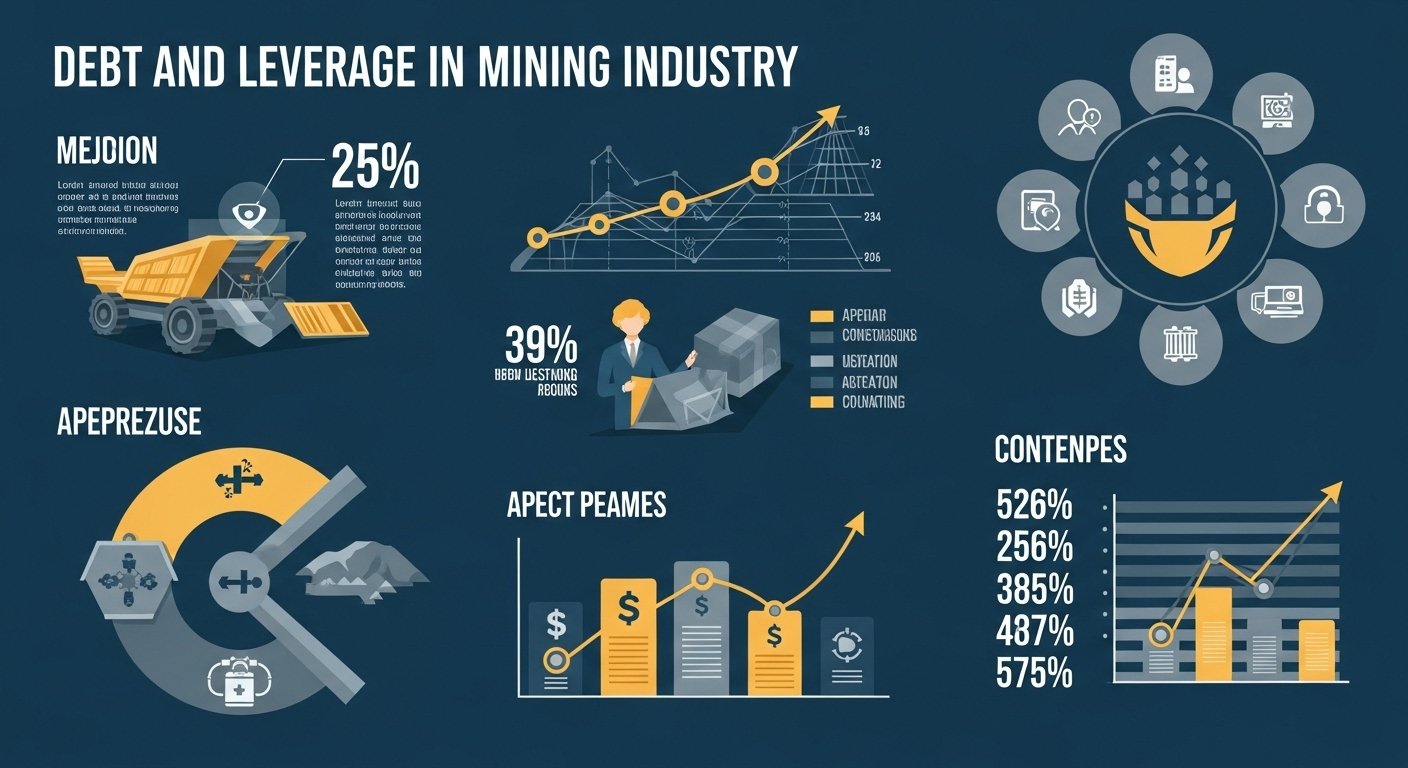
When prices fall, servicing this debt becomes more challenging. Interest payments remain fixed even as revenue declines, squeezing cash flow. Highly leveraged miners are therefore more vulnerable during downturns, and some may be forced to sell Bitcoin reserves or assets to stay afloat.
Miner Capitulation and Market Implications
Miner capitulation refers to a phase where unprofitable miners shut down operations and sell their Bitcoin holdings to cover costs. This behavior can add selling pressure to the market.
Historically, miner capitulation has often coincided with market bottoms, as weaker players exit and stronger ones remain. While painful, this process can ultimately strengthen the network.
The current period, where Bitcoin miners tumble as crypto prices slide, raises questions about whether a similar capitulation phase is unfolding.
How Miner Behavior Affects Network Security
Bitcoin’s security depends on a robust and decentralized mining network. Significant declines in hash rate can temporarily reduce security, although the protocol is designed to adapt.
As miners exit, remaining participants may gain a larger share of the network. While this can improve their profitability, it also raises concerns about centralization if consolidation becomes excessive. Balancing economic efficiency with decentralization remains an ongoing challenge for the Bitcoin ecosystem.
Regional Differences in Mining Resilience
Not all miners are affected equally by market downturns. Regional factors such as energy costs, regulatory environments, and climate play a significant role.
Miners in regions with abundant renewable energy or government support may remain profitable even as prices slide. Others face regulatory uncertainty that compounds economic pressure. These differences influence which mining hubs grow or shrink during downturns, reshaping the global distribution of hash rate.
The Role of Hedging and Financial Strategies
Some sophisticated mining operations employ hedging strategies to manage price risk. These may include derivatives, long-term power contracts, or strategic Bitcoin reserves.
While hedging can provide temporary relief, it is not foolproof. Poorly timed strategies or excessive reliance on leverage can exacerbate losses. The effectiveness of these approaches becomes especially evident when crypto prices slide sharply, separating well-managed operations from fragile ones.
Long-Term Outlook for Bitcoin Mining Economics
Despite short-term challenges, the long-term outlook for Bitcoin mining remains closely tied to Bitcoin’s adoption and value proposition.
Historically, mining has adapted to numerous downturns, emerging leaner and more efficient each time. Technological improvements and energy innovations continue to reduce costs over time. Periods when Bitcoin miners tumble as crypto prices slide may ultimately serve as catalysts for structural improvements across the industry.
Investor Sentiment Toward Mining Stocks and Assets
Investor sentiment toward mining-related assets often mirrors broader crypto market trends but with added sensitivity to operational metrics.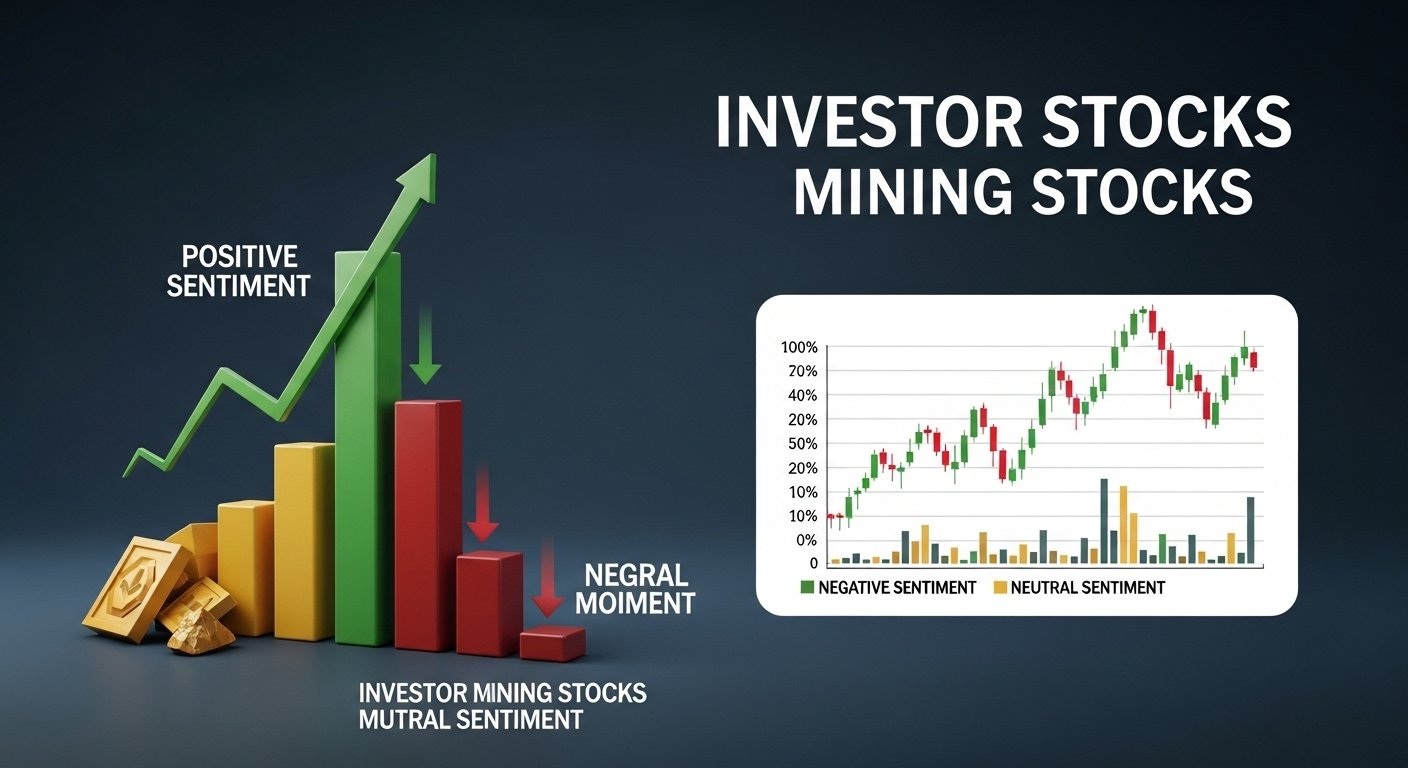
As prices fall, investors scrutinize balance sheets, cost structures, and management decisions more closely. Transparency and prudent financial management become critical differentiators. This heightened scrutiny can benefit stronger miners in the long run, as capital flows toward those with sustainable models.
Potential Silver Linings Amid the Downturn
While challenging, downturns also create opportunities. Lower competition can improve profitability for surviving miners once conditions stabilize.
Equipment prices may fall, allowing well-capitalized operators to upgrade infrastructure at lower costs. Energy providers may also renegotiate contracts to retain large customers. These factors can position resilient miners for significant gains when crypto prices recover.
What This Means for the Broader Crypto Market
The struggles of Bitcoin miners often reflect broader market stress. As foundational participants in the ecosystem, miners’ health influences sentiment and stability.
However, mining downturns do not necessarily signal the end of Bitcoin’s growth. Instead, they highlight the cyclical nature of the market and the ongoing process of maturation. Understanding why Bitcoin miners tumble as crypto prices slide provides valuable insight into the mechanics underpinning the entire crypto economy.
Conclusion
Bitcoin miners tumbling as crypto prices slide is a familiar yet impactful phenomenon in the digital asset space. Falling prices, rising costs, and structural challenges converge to test the resilience of mining operations worldwide.
While the current downturn places significant strain on miners, it also accelerates consolidation, efficiency gains, and strategic innovation. History suggests that the mining industry, much like Bitcoin itself, adapts and evolves through adversity. As the market continues to recalibrate, the miners that survive this phase are likely to emerge stronger, shaping the next chapter of Bitcoin’s decentralized infrastructure.
FAQs
Q: Why do Bitcoin miners tumble more than Bitcoin price during downturns?
Bitcoin miners have high fixed costs and leveraged exposure to Bitcoin’s price, so revenue declines impact profitability more severely, leading to amplified losses.
Q: How do falling crypto prices affect mining profitability?
Lower prices reduce the fiat value of mined Bitcoin while costs such as energy and hardware remain constant, compressing or eliminating profit margins.
Q: Can miner capitulation signal a market bottom?
Historically, miner capitulation has often occurred near market bottoms, as weaker miners exit and selling pressure eventually subsides.
Q: Are all Bitcoin miners equally affected by price declines?
No, miners with lower energy costs, efficient hardware, and strong balance sheets are better positioned to survive downturns than highly leveraged or inefficient operators.
Q: What is the long-term outlook for Bitcoin mining despite current struggles?
Despite short-term pressure, Bitcoin mining has historically adapted through innovation and consolidation, supporting a resilient long-term outlook tied to Bitcoin’s adoption.
