


Cardano News Today Legal Fallout or Open-Source Freedom the debate dominating Cardano News Today is not about price charts or staking rewards. Instead, it centers on a deeper philosophical and legal question that could shape the future of decentralized ecosystems: when a blockchain experiences a chain split, should those responsible face legal consequences, or should open-source innovation be shielded from litigation?
This issue has ignited passionate discussions within the Cardano community and across the broader crypto industry. Chain splits, often referred to as forks, can emerge from technical disagreements, governance conflicts, or ideological divides. In a decentralized environment, these splits are sometimes viewed as a feature rather than a flaw. Yet as blockchain networks mature and attract institutional capital, regulators and investors increasingly question whether accountability should accompany freedom.
In this edition of Cardano News Today, we explore the legal, technical, and philosophical dimensions of chain splits. We examine how Cardano’s governance structure handles disputes, how open-source licensing frameworks operate, and whether imposing legal liability could undermine innovation. By understanding both sides of the debate, readers can gain a clearer perspective on the evolving balance between decentralization and responsibility.
Cardano News Today Legal Fallout
To grasp the tension highlighted in Cardano News Today, it is essential to understand what a chain split actually entails. In blockchain terminology, a split occurs when a network diverges into two separate paths. This can be a temporary divergence resolved by consensus, or a permanent fork resulting in two independent blockchains.
In decentralized systems like Cardano, chain splits may arise during software upgrades, governance votes, or protocol disagreements. The concept of a hard fork involves a backward-incompatible change to the protocol, potentially creating a new chain. A soft fork, by contrast, maintains compatibility but modifies rules in a more limited way.
Hard Forks and Governance Disputes
Hard forks often reflect deeper philosophical divisions. Within decentralized governance, stakeholders may disagree on transaction validation rules, monetary policy, or network architecture. When consensus cannot be achieved, a segment of the community may implement its own version of the protocol.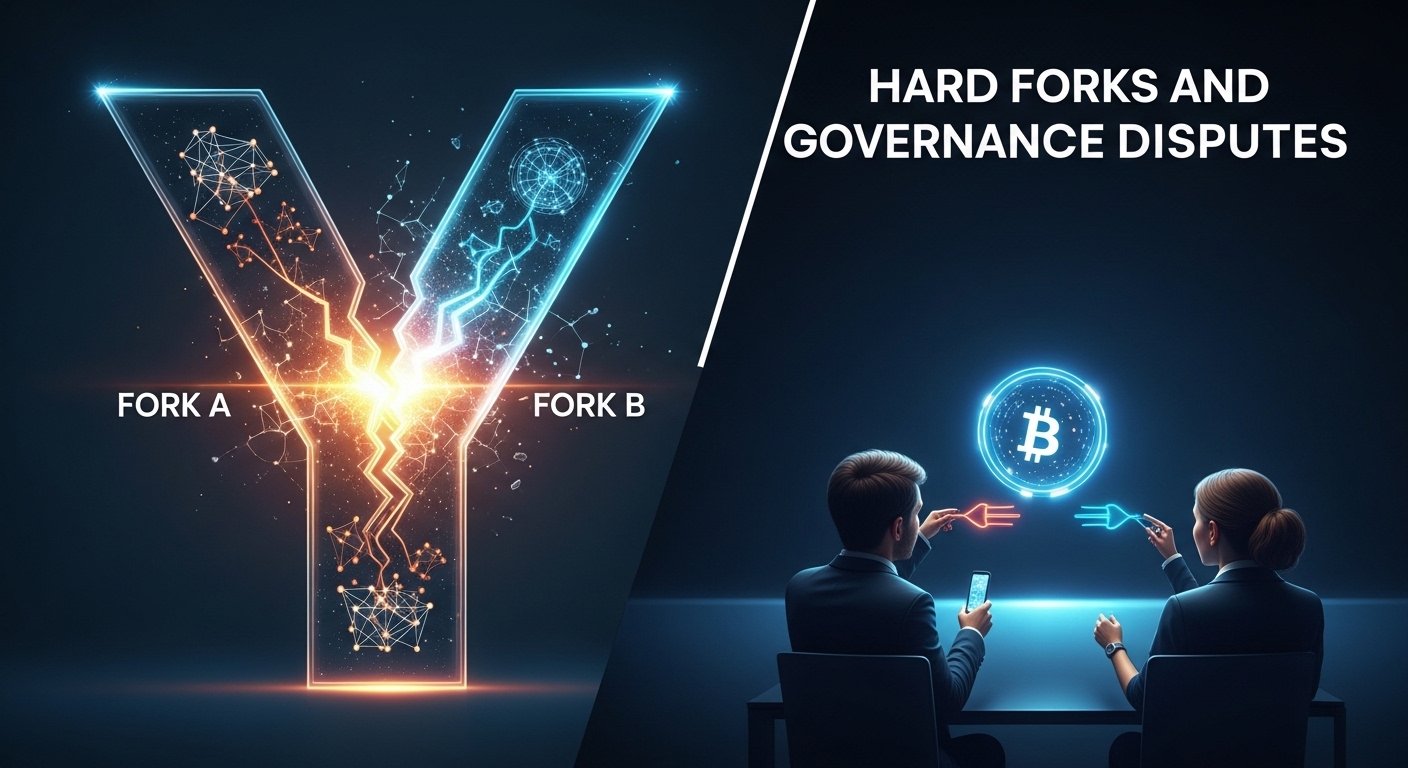
Cardano has historically emphasized structured upgrades through community coordination. Its roadmap has relied on carefully planned development phases, minimizing chaotic splits. However, the theoretical possibility of contentious forks remains relevant to Cardano News Today, particularly as on-chain governance expands.
Are Chain Splits a Bug or a Feature?
Some developers argue that forks embody the essence of open-source blockchain philosophy. The ability to modify and replicate code empowers communities to innovate. In this view, a chain split is a manifestation of choice, not dysfunction.
Critics counter that persistent splits can fragment liquidity, confuse investors, and damage network credibility. From a legal perspective, if a fork results from malicious intent or reckless conduct, affected parties may seek accountability. This tension fuels the ongoing discussion featured in Cardano News Today.
The Legal Landscape Surrounding Blockchain Forks
As blockchain technology intersects with traditional finance, legal scrutiny intensifies. Governments worldwide are examining how to regulate digital assets and decentralized systems. Within this framework, the question arises: can developers or validators be held liable for initiating a chain split?
Developer Responsibility and Liability
In conventional software development, liability may arise if negligence causes harm. However, blockchain networks complicate this framework. Developers often operate within open-source licensing models that disclaim warranties and limit responsibility.
Cardano’s ecosystem involves distributed contributors rather than a centralized authority. Determining who is “responsible” for a chain split becomes legally ambiguous. Was it a collective decision? A rogue developer? A community vote? Cardano News Today frequently highlights this structural complexity.
Regulatory Oversight and Blockchain Accountability
Regulators may view contentious forks through the lens of investor protection. If a split leads to financial losses, authorities could investigate whether disclosures were adequate. Concepts like blockchain regulation and crypto compliance are increasingly central to public discourse.
Yet imposing strict liability on developers could deter innovation. Many contributors participate voluntarily, motivated by technological curiosity rather than corporate incentives. Striking the right balance is a core theme in Cardano News Today discussions.
Cardano’s Governance Model and Conflict Resolution
Cardano distinguishes itself through a research-driven approach and structured governance framework. Its emphasis on peer-reviewed development aims to reduce unforeseen conflicts.
On-Chain Governance Mechanisms
With evolving governance models, Cardano enables stakeholders to vote on proposals affecting network parameters. This approach strengthens community governance and aims to prevent abrupt, contentious splits.
If disagreements arise, transparent voting and documented proposals create a traceable decision-making process. This structure could mitigate legal risks by demonstrating collective consent rather than unilateral action.
The Role of Stakeholders and Validators
Stake pool operators and ADA holders influence network direction. In a potential chain split, their participation determines which version gains legitimacy. This dynamic reinforces decentralization but complicates liability attribution. Cardano News Today often emphasizes how distributed authority can protect innovation while diffusing responsibility. However, critics argue that diffuse responsibility may also obscure accountability.
Open-Source Creativity Versus Legal Enforcement
The heart of the Cardano News Today debate lies in reconciling open-source freedom with legal accountability.
The Philosophy of Open-Source Innovation
Open-source development thrives on experimentation. Developers can fork repositories, test new ideas, and iterate rapidly. The blockchain movement grew from this culture of collaborative innovation.
If legal penalties accompany every controversial fork, developers may hesitate to propose bold changes. The fear of litigation could slow progress in smart contract development and decentralized applications.
When Does Innovation Cross the Line?
Not all forks are benign. A split engineered to manipulate markets or exploit vulnerabilities raises ethical and legal concerns. In such scenarios, affected users may demand remedies. The challenge lies in distinguishing between legitimate experimentation and harmful conduct. Cardano News Today underscores the need for nuanced evaluation rather than blanket rules.
Economic Implications of Chain Splits
Beyond philosophical arguments, chain splits carry tangible economic consequences.
Market Volatility and Investor Confidence
Fork announcements can trigger significant volatility. Traders may speculate on the value of newly created tokens, while others fear dilution or instability. Maintaining investor trust is crucial for long-term sustainability.
For Cardano, preserving ecosystem confidence aligns with its broader vision of becoming a global proof-of-stake blockchain platform supporting financial inclusion and enterprise adoption.
Network Fragmentation and Ecosystem Growth
Persistent splits may fragment developer resources and community energy. Instead of building collectively, factions compete. This dynamic can slow adoption and weaken network effects. Cardano News Today frequently explores how cohesive governance and transparent communication help minimize fragmentation risks.
Comparative Perspectives from Other Blockchains
Although the focus remains on Cardano News Today, examining historical precedents provides valuable context. The blockchain industry has witnessed multiple high-profile forks. Each case illustrates different motivations, ranging from ideological disagreements to emergency security responses. These events highlight that forks are neither inherently destructive nor universally beneficial.
By studying industry patterns, Cardano stakeholders can anticipate challenges and refine governance processes to prevent unnecessary disputes.
Should Legal Action Be Considered?
The central question remains: should those responsible for contentious chain splits face legal consequences?
Arguments Supporting Legal Accountability
Proponents of legal oversight argue that blockchain networks now manage billions in assets. With significant economic impact comes responsibility. If a split is orchestrated recklessly or fraudulently, victims deserve recourse.
From this perspective, legal frameworks ensure that decentralization does not become a shield for misconduct. Cardano News Today acknowledges that as the ecosystem grows, public expectations of accountability will likely increase.
Arguments Defending Open-Source Safeguards
Opponents caution against overreach. Imposing liability on developers for consensus disagreements could undermine the very principles of decentralization. Open-source contributors often lack centralized control; holding them individually liable may be unjust and impractical.
Safeguarding open-source blockchain development encourages experimentation and resilience. In this view, market mechanisms and community consensus, rather than courts, should determine which chain prevails.
The Path Forward for Cardano
Navigating this debate requires balance. Cardano’s structured governance and emphasis on research provide a foundation for minimizing contentious splits. Transparent communication and community engagement can reduce misunderstandings before they escalate.
Regulators and industry leaders must collaborate to craft frameworks that distinguish malicious behavior from legitimate innovation. Rather than criminalizing forks outright, policies could focus on fraud, deception, and clear violations of law.
Cardano News Today reflects a broader maturation of the blockchain industry. As decentralized networks intersect with global finance, questions of responsibility will intensify. The challenge lies in preserving creativity without compromising trust.
Conclusion
Cardano News Today highlights a pivotal crossroads for blockchain technology. Chain splits, once seen as purely technical events, now carry legal and economic implications. The debate over whether those responsible should face legal action or whether open-source creativity should remain protected encapsulates the evolving identity of decentralized systems.
On one hand, accountability fosters trust and investor confidence. On the other, excessive legal pressure could stifle innovation and undermine decentralization. For Cardano, the solution may lie in robust governance, transparent processes, and clear ethical standards that deter misconduct while preserving freedom. As blockchain ecosystems continue to expand, this debate will shape not only Cardano’s trajectory but also the broader future of decentralized finance and digital infrastructure.
FAQs
Q: What is a chain split in the context of Cardano News Today, and why does it matter for investors?
A: In the context of Cardano News Today, a chain split refers to a situation where the blockchain diverges into two separate versions due to disagreements over protocol rules or upgrades. This matters for investors because such splits can affect token value, liquidity, and overall network stability. While some splits may introduce innovation, others can create confusion and volatility, making governance transparency crucial.
Q: Can developers be legally responsible for initiating a blockchain fork?
A: Legal responsibility depends on jurisdiction and circumstances. In many open-source projects, developers operate under licenses that limit liability. However, if a fork involves fraud, deception, or clear regulatory violations, authorities could investigate. Cardano News Today emphasizes that distinguishing between legitimate innovation and harmful intent is central to this legal debate.
Q: How does Cardano’s governance system help prevent contentious chain splits?
A: Cardano employs structured governance mechanisms that allow stakeholders to vote on proposals and upgrades. This collective decision-making process reduces the likelihood of abrupt or unilateral changes. By promoting community consensus and documented procedures, Cardano aims to minimize disputes that could escalate into damaging splits.
Q: Does protecting open-source creativity conflict with regulatory compliance?
A: Not necessarily. Open-source development can coexist with regulatory frameworks if policies focus on preventing fraud and ensuring transparency rather than restricting experimentation. Cardano News Today frequently highlights the importance of balanced regulation that safeguards innovation while maintaining accountability.
Q: What could the future hold for blockchain dispute resolution?
A: The future may involve hybrid models combining on-chain governance, arbitration mechanisms, and clearer legal guidelines. As blockchain adoption grows, dispute resolution processes will likely evolve to address conflicts efficiently without undermining decentralization. Cardano News Today suggests that proactive governance and ethical standards will play a key role in shaping this future.
