


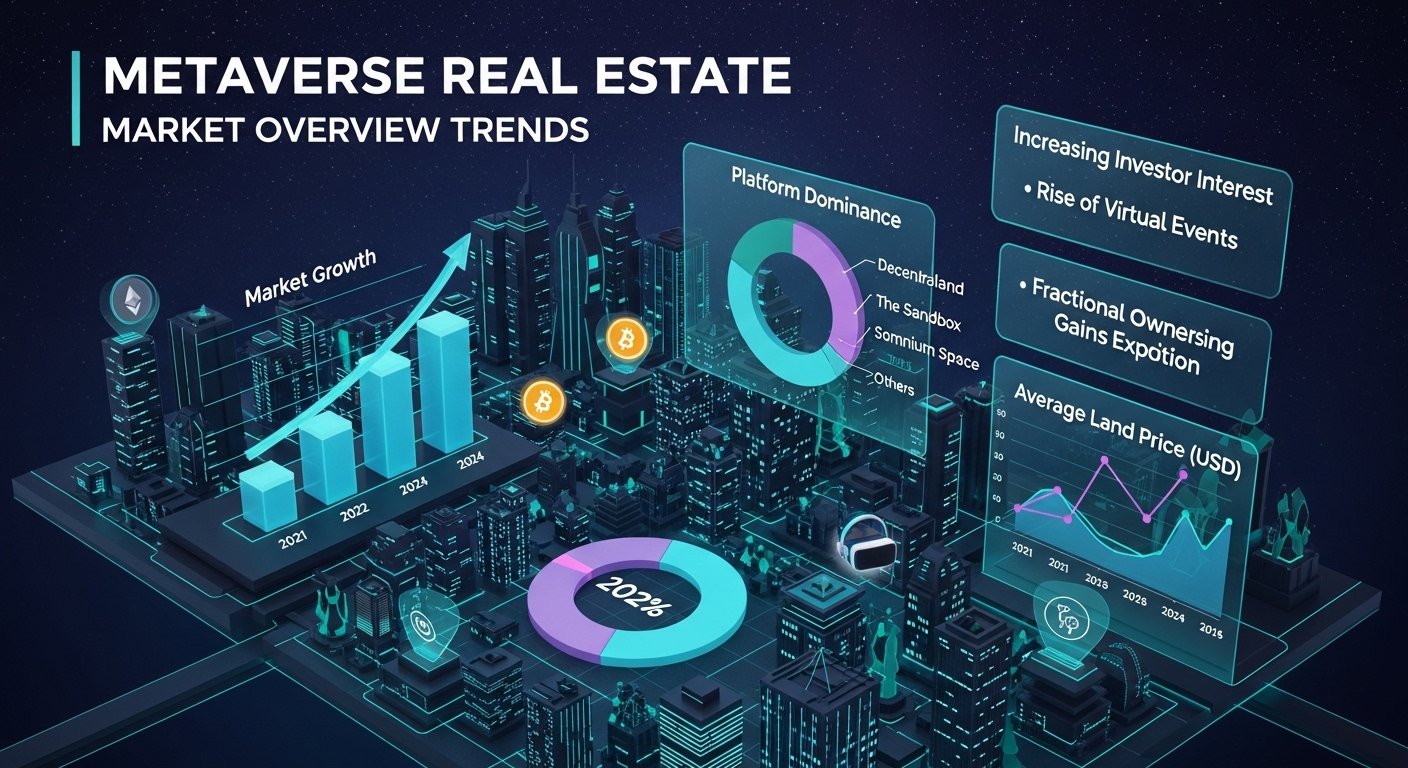
Metaverse Real Estate Market Overview Trends & Key Players the digital world is rapidly evolving, and one of the most fascinating developments in recent years is the rise of the metaverse real estate market. As the concept of the metaverse continues to grow, virtual land and digital property have become valuable assets for investors, businesses, and technology enthusiasts. Companies, celebrities, and individuals are purchasing plots of land inside virtual worlds, building experiences, and creating digital economies that mirror real-world markets.
The metaverse real estate market represents a new frontier in property ownership. Instead of physical buildings and land, these assets exist in virtual environments where users interact through avatars, attend events, shop, and conduct business. The idea might have sounded futuristic a decade ago, but today it has evolved into a thriving sector fueled by blockchain technology, NFT ownership, virtual property investment, and digital asset marketplaces.
In recent years, billions of dollars have flowed into the metaverse ecosystem. Major brands have begun experimenting with virtual land development, and investors are exploring the potential returns from owning property in immersive digital worlds. The growing popularity of virtual reality platforms, decentralized virtual worlds, and digital land marketplaces has significantly boosted interest in this emerging industry. We provides a comprehensive overview of the metaverse real estate market, examines current trends shaping its future, and analyzes the key players driving innovation and competition in the sector.
Metaverse Real Estate Market Overview Trends
The metaverse real estate market refers to the buying, selling, leasing, and development of digital land within virtual worlds. These virtual spaces exist on metaverse platforms where users can explore environments, build digital structures, and interact socially or commercially.
Unlike traditional property ownership, digital land ownership is typically verified using blockchain-based NFTs, which serve as proof of ownership for a specific plot within a virtual world. Each parcel of virtual land is unique and cannot be duplicated, creating scarcity that drives value.
How Virtual Land Works
In the metaverse real estate market, digital land parcels are created by platform developers who divide virtual environments into limited plots. These parcels can then be purchased by individuals or businesses through marketplaces using cryptocurrencies.
Owners can use their land in multiple ways. Some build virtual stores, others create gaming environments, while many develop interactive experiences such as concerts, exhibitions, or digital offices. Because the metaverse operates as a shared online space, these properties can generate revenue through advertising, ticketed events, or digital product sales.
Why Virtual Real Estate Has Value
The value of virtual real estate comes from scarcity, location, and user engagement. Just as in the physical world, certain locations within the metaverse attract more traffic. Parcels located near popular experiences or celebrity-owned land often command higher prices.
The rise of digital economies, NFT marketplaces, and blockchain-based ownership systems has also contributed to the growing legitimacy of the metaverse real estate market. Investors view these properties as speculative assets that could appreciate as metaverse adoption increases.
Evolution of the Metaverse Real Estate Industry
The concept of virtual property is not entirely new. Early online platforms allowed users to purchase digital spaces, but these assets lacked true ownership or transferability. The introduction of blockchain technology transformed this landscape by enabling secure and transparent ownership through NFTs.
Early Virtual Worlds
Before blockchain, platforms like online gaming worlds allowed players to build and customize digital spaces. However, users did not actually own these environments. Everything was controlled by centralized platforms.
With the emergence of NFT technology and decentralized virtual worlds, digital land could now be owned, sold, and traded independently of the platform’s control. This innovation laid the foundation for the modern metaverse real estate market.
The NFT Boom and Virtual Land Sales
The explosive growth of NFTs between 2020 and 2022 played a significant role in popularizing virtual property investments. Investors began purchasing digital land NFTs in major metaverse platforms, sometimes paying millions of dollars for premium locations.
As a result, the metaverse real estate market quickly gained global attention, attracting technology companies, venture capital firms, and mainstream investors.
Current Trends Shaping the Metaverse Real Estate Market
The metaverse real estate market is constantly evolving as new technologies and business models emerge. Several trends are currently influencing how digital land is bought, developed, and monetized.
Increasing Corporate Participation
Major brands and corporations are exploring opportunities in the virtual real estate ecosystem. Companies are purchasing digital land to create immersive brand experiences, virtual stores, and marketing campaigns.
The goal is to engage younger audiences who spend significant time in virtual environments. By building interactive digital spaces, brands can host product launches, events, and promotional experiences that blend entertainment with commerce.
Integration of Virtual Commerce
Another major trend in the metaverse real estate market is the integration of digital commerce. Virtual landowners are transforming their parcels into shopping districts where users can purchase digital goods, NFTs, and even real-world products. This shift toward metaverse commerce is creating entirely new revenue models. Businesses can sell virtual clothing, accessories, and collectibles directly to users inside the metaverse.
Virtual Events and Entertainment
Many investors are developing digital properties designed specifically for entertainment experiences. Virtual concert venues, art galleries, and conference spaces are becoming increasingly popular. These experiences attract thousands of visitors simultaneously, making them valuable assets within the metaverse real estate market. Owners can monetize these spaces through ticket sales, sponsorships, and advertising.
Growth of Virtual Land Investment Funds
As the metaverse real estate market matures, institutional investors have started creating funds dedicated to acquiring digital property. These funds purchase strategic land parcels across multiple platforms and develop them into profitable digital destinations. The emergence of professional investment strategies indicates that the market is gradually transitioning from speculation to structured digital asset management.
Key Platforms in the Metaverse Real Estate Market
Several virtual world platforms dominate the metaverse real estate market, each offering unique ecosystems and development opportunities.
Decentralized Virtual Worlds
Decentralized platforms rely on blockchain technology and community governance. These worlds allow users to buy land, develop experiences, and participate in platform decision-making. Such platforms often attract investors interested in digital land ownership, NFT assets, and decentralized digital economies.
Gaming-Based Metaverse Platforms
Gaming-focused virtual worlds have also contributed significantly to the metaverse real estate market. These environments often integrate land ownership with gameplay mechanics, allowing players to build structures, host events, and create immersive experiences. Because these platforms already have active user communities, digital land within them can generate consistent engagement.
Social Metaverse Platforms
Some virtual worlds focus primarily on social interaction rather than gaming or commerce. In these environments, virtual land is used to create meeting spaces, digital offices, and entertainment venues. As remote work and online communities grow, these platforms are becoming increasingly important within the metaverse real estate market.
Key Players Driving the Metaverse Real Estate Industry
The growth of the metaverse real estate market has been driven by a combination of technology companies, blockchain developers, investment firms, and digital creators.
Technology Companies
Large technology companies are investing heavily in metaverse infrastructure, including virtual reality hardware, development platforms, and immersive software environments. Their investments are helping expand the overall metaverse ecosystem. These companies aim to create interconnected virtual environments where users can move seamlessly between different digital worlds.
Blockchain Developers
Developers working on blockchain metaverse platforms are responsible for creating the systems that enable digital land ownership. Their innovations in NFT technology, smart contracts, and decentralized governance have made the metaverse real estate market possible.
Virtual Real Estate Developers
A new industry of digital architects and designers has emerged within the metaverse real estate market. These professionals specialize in building immersive structures such as virtual malls, offices, entertainment arenas, and interactive landscapes. Their work transforms empty digital land into valuable experiences that attract visitors and generate revenue.
Investment Firms and Venture Capital
Venture capital firms and digital asset funds have become major participants in the metaverse real estate market. These investors often acquire large land portfolios and partner with developers to create commercial experiences. Their involvement has accelerated the growth of the market by providing capital and strategic expertise.
Investment Opportunities and Risks
The metaverse real estate market offers exciting opportunities, but it also comes with significant risks. Understanding these factors is crucial for anyone considering investing in virtual property.
Potential Benefits of Virtual Land Investment
One of the primary attractions of the metaverse real estate market is its potential for high returns. Early investors who purchased land in major virtual worlds have seen substantial appreciation in value.
Virtual land can also generate revenue through advertising, events, and digital commerce. As the metaverse expands, demand for prime locations may continue to increase.
Risks and Market Volatility
Despite its potential, the metaverse real estate market remains highly speculative. Prices can fluctuate dramatically depending on market sentiment, technological developments, and platform popularity. Another risk is platform dependency. If a metaverse platform loses users or shuts down, the value of its digital land may decline significantly.
Regulatory Uncertainty
Governments around the world are still determining how to regulate digital assets and virtual economies. This regulatory uncertainty adds another layer of risk to the metaverse real estate market. Investors must remain aware of potential legal developments that could affect digital property ownership.
The Future of the Metaverse Real Estate Market
The future of the metaverse real estate market depends largely on technological advancements and widespread adoption of immersive digital environments. As virtual reality, augmented reality, and blockchain ecosystems continue to evolve, virtual worlds are expected to become more realistic and interactive.
Future metaverse environments may integrate with real-world economies, allowing businesses to operate seamlessly across both digital and physical markets. This integration could significantly increase the demand for digital land assets and virtual commercial spaces. Additionally, improvements in metaverse infrastructure, AI-powered environments, and cross-platform interoperability could create a more connected digital universe. If these developments occur, the metaverse real estate market may become a permanent component of the global digital economy.
Conclusion
The metaverse real estate market has emerged as one of the most intriguing developments in the digital economy. By combining blockchain ownership, NFT assets, and immersive virtual environments, it has created entirely new opportunities for investment, commerce, and social interaction.
Although the market is still in its early stages, the growing involvement of corporations, investors, and technology companies suggests that virtual property could play a significant role in the future of online experiences. From digital shopping districts to virtual entertainment venues, the possibilities for development continue to expand.
However, investors and businesses must approach this market with caution due to its volatility and evolving regulatory landscape. As the technology matures and adoption increases, the metaverse real estate market may transform from a speculative niche into a core pillar of the global digital economy.
FAQs
Q: What is metaverse real estate and how does it work?
Metaverse real estate refers to digital land or property located within virtual worlds where users interact through avatars. These properties are typically represented by NFTs stored on blockchain networks, ensuring secure ownership and transferability. Owners can develop their digital land into virtual stores, entertainment venues, meeting spaces, or gaming environments. The value of these properties often depends on factors such as location within the virtual world, platform popularity, and the level of user engagement generated by the experiences built on the land.
Q: Why are investors interested in the metaverse real estate market?
Investors are attracted to the metaverse real estate market because it offers the potential for significant financial returns. As virtual worlds expand and user adoption increases, digital land in popular locations may appreciate in value. Investors can also generate income through advertising, hosting virtual events, leasing digital spaces, or selling digital products. Additionally, the integration of NFT technology, blockchain ownership, and virtual commerce has created new investment opportunities that did not exist in traditional real estate markets.
Q: What factors influence the value of virtual land in the metaverse?
Several factors influence the value of digital property within the metaverse real estate market. Location is one of the most important elements, as land near popular attractions, events, or well-known brands tends to attract more visitors. Platform popularity also plays a crucial role because more users increase demand for prime virtual spaces. Other factors include the creativity of the development built on the land, the ability to monetize the space, and overall trends in digital asset markets and metaverse adoption.
Q: What risks should investors consider before buying metaverse property?
Investing in the metaverse real estate market involves several risks. One major concern is market volatility, as the value of digital land can change rapidly based on trends and speculation. Another risk is platform dependency, meaning that if a virtual world loses users or shuts down, the associated land assets may lose value. Additionally, the regulatory framework for digital property is still evolving, which may affect ownership rights, taxation, and trading rules in the future.
Q: How might the metaverse real estate market evolve in the coming years?
The metaverse real estate market is expected to evolve alongside advancements in virtual reality, augmented reality, and blockchain technology. As these technologies improve, virtual worlds may become more immersive and widely adopted by businesses and consumers. Future developments could include interconnected metaverse platforms, integrated digital economies, and new forms of virtual commerce. If adoption continues to grow, digital land may become a significant component of the broader digital economy, offering new opportunities for developers, investors, and global brands.
