



Bitcoin Miners Power Back Above 1 Zettahash as Profits Sink have once again demonstrated the resilience of the network by pushing the global hash rate above the 1 zettahash milestone, a symbolic and technical achievement that underscores the immense computational power securing the world’s largest cryptocurrency. Yet, even as this record-breaking strength captures headlines, mining profits are hovering near historic lows. This paradox has left many industry observers asking a critical question: how can Bitcoin miners reach new highs in network power while earnings struggle to keep pace?
The answer lies in a complex mix of rising mining difficulty, post-halving economics, increasing energy costs, and evolving competition among large-scale mining operations. While the network appears stronger than ever, individual miners are navigating one of the most challenging financial environments in recent history. Understanding this dynamic is essential for investors, analysts, and anyone closely watching the future of cryptocurrency mining and the broader digital asset ecosystem.
Bitcoin Miners Power Back
The global hash rate of the Bitcoin network has surpassed 1 zettahash per second, meaning miners are collectively performing over one sextillion calculations every second to secure the blockchain. This milestone represents exponential growth compared to the early days of Bitcoin mining, when hobbyists with basic CPUs could meaningfully contribute to the network.
The significance of reaching 1 zettahash extends beyond numbers. It reflects a dramatic expansion in industrial-scale mining farms, advanced ASIC hardware, and institutional participation. Today’s Bitcoin miners operate sophisticated data centers packed with specialized machines designed exclusively for the SHA-256 algorithm. These facilities often span acres of land and consume vast amounts of electricity, positioning mining as a global infrastructure industry rather than a niche tech hobby.
From a security standpoint, a higher hash rate strengthens the network against potential 51% attacks. The cost of acquiring enough computational power to disrupt the blockchain becomes astronomically high, reinforcing Bitcoin’s reputation as the most secure decentralized network in existence. However, this rising security comes at a cost—literally—for miners themselves.
The Economics of Bitcoin Mining in 2026
To understand why profits are near historic lows despite record hash rates, it’s important to break down the economics of Bitcoin miners. Mining revenue primarily comes from two sources: block rewards and transaction fees. Every time miners successfully validate a block, they receive newly minted Bitcoin plus transaction fees included in that block.
The most recent Bitcoin halving event significantly reduced block rewards, cutting them in half. While halvings are designed to control supply and maintain scarcity, they immediately impact miner revenue. When rewards are slashed, miners must rely more heavily on transaction fees or rising Bitcoin prices to maintain profitability.
Unfortunately, the price environment has not always moved in perfect sync with these reward reductions. When Bitcoin prices remain stable or experience volatility without sustained upward momentum, miners feel intense pressure. Revenue per terahash declines, and profit margins shrink, especially for operators with higher operational costs.
At the same time, mining difficulty automatically adjusts based on network participation. As more hash power enters the network, difficulty increases to maintain consistent block times. With the hash rate now above 1 zettahash, mining difficulty has surged to record levels, further compressing margins for Bitcoin miners worldwide.
Rising Mining Difficulty and Its Impact
Mining difficulty is one of the most critical variables shaping miner profitability. When hash rate increases, difficulty rises proportionally to ensure blocks are produced roughly every 10 minutes. While this mechanism stabilizes the network, it intensifies competition among miners.
In a high-difficulty environment, each miner earns a smaller share of the overall reward pool unless they scale up their operations. This dynamic creates a feedback loop: as profits shrink, only the most efficient miners survive. Less efficient operators are forced to shut down, consolidate, or upgrade equipment.
The surge past 1 zettahash has coincided with historically high difficulty levels. This means even though the network is more secure than ever, individual Bitcoin miners must deploy more computational power just to maintain previous revenue levels. For smaller operations or those with outdated hardware, this is a daunting challenge.
Energy Costs and Operational Pressures
Energy remains the single largest expense for most Bitcoin miners. Electricity prices vary dramatically by region, and profitability often hinges on securing low-cost power contracts. In many cases, mining companies relocate operations to regions offering renewable energy, hydroelectric power, or excess grid capacity.
However, global energy markets have been volatile. Rising electricity prices, infrastructure constraints, and regulatory scrutiny have made energy procurement more complex. For miners operating in high-cost regions, margins can evaporate quickly when Bitcoin prices stagnate.
This has intensified the focus on energy-efficient ASICs, sustainable mining, and carbon-neutral strategies. Leading mining firms invest heavily in next-generation hardware that delivers higher hash rates per watt of power consumed. Efficiency is no longer optional; it is essential for survival in a low-margin environment.
Institutional Mining and Consolidation Trends
The era of small-scale mining is largely over. The 1 zettahash milestone reflects significant institutional involvement. Publicly listed mining companies now control substantial portions of the network’s hash rate. These firms operate with access to capital markets, large-scale infrastructure, and sophisticated risk management strategies.
Consolidation has accelerated following profit compression. Larger players acquire distressed assets from smaller miners unable to weather downturns. This trend strengthens the position of dominant mining corporations while reducing fragmentation across the network.
At the same time, institutional miners often hedge their Bitcoin exposure through derivatives markets. By locking in future selling prices, they attempt to stabilize cash flows despite price volatility. This approach contrasts with early miners who simply held mined coins in anticipation of long-term appreciation.
Transaction Fees and the Role of Network Activity
While block rewards have diminished, transaction fees have become increasingly important for miner revenue. Periods of high on-chain activity can significantly boost fee income, temporarily improving profitability.
The growth of Layer 2 solutions, Ordinals inscriptions, and increased adoption of the Bitcoin network for various applications have occasionally led to fee spikes. However, fee revenue remains unpredictable. During quiet market phases, fees may represent only a small fraction of total miner income. Long-term sustainability of Bitcoin miners increasingly depends on whether transaction fees can eventually replace block rewards as the primary revenue source. This transition is gradual but critical for the network’s economic model.
Hash Rate Growth Signals Long-Term Confidence
Despite financial pressures, the fact that hash rate has exceeded 1 zettahash signals strong long-term confidence among miners. Operators continue investing in hardware and infrastructure, suggesting belief in future price appreciation.
Mining is a capital-intensive business. Companies invest millions, sometimes billions, into equipment and facilities that require years to generate returns. Such commitments imply expectations of favorable long-term conditions, even if short-term profits are thin.
Moreover, the steady growth in hash rate reinforces Bitcoin’s narrative as a secure and decentralized store of value. As computational power rises, so does the network’s resilience against attacks and systemic risk.
The Post-Halving Reality for Bitcoin Miners
Every halving cycle reshapes the mining landscape. Historically, some miners exit the market immediately after reward reductions, causing temporary dips in hash rate. However, in the current cycle, hash rate has rebounded swiftly, surpassing previous highs.
This resilience suggests that mining companies anticipated the halving and prepared accordingly. Many upgraded hardware in advance or secured financing to weather lower revenues. Nonetheless, the squeeze on margins remains real.
In the months following halving events, miners often face a balancing act between holding mined Bitcoin in hopes of price rallies and selling immediately to cover operational expenses. Decisions in this period can significantly impact financial outcomes.
Global Distribution of Hash Power
Bitcoin mining has become geographically diversified. After regulatory shifts in major regions, miners redistributed operations across North America, parts of Europe, and emerging energy-rich markets.
The current 1 zettahash milestone reflects contributions from multiple continents. This diversification enhances network decentralization and reduces concentration risk. However, it also introduces varying regulatory frameworks that miners must navigate.
In some regions, supportive policies encourage mining investment, while others impose strict environmental or energy usage standards. The global nature of Bitcoin miners adds complexity to operational planning and strategic decision-making.
Profit Margins Near Historic Lows
Despite record network strength, profit metrics such as hash price and revenue per terahash are near historic lows. Hash price, a measure of daily revenue earned per unit of hash power, has declined due to higher difficulty and reduced block rewards.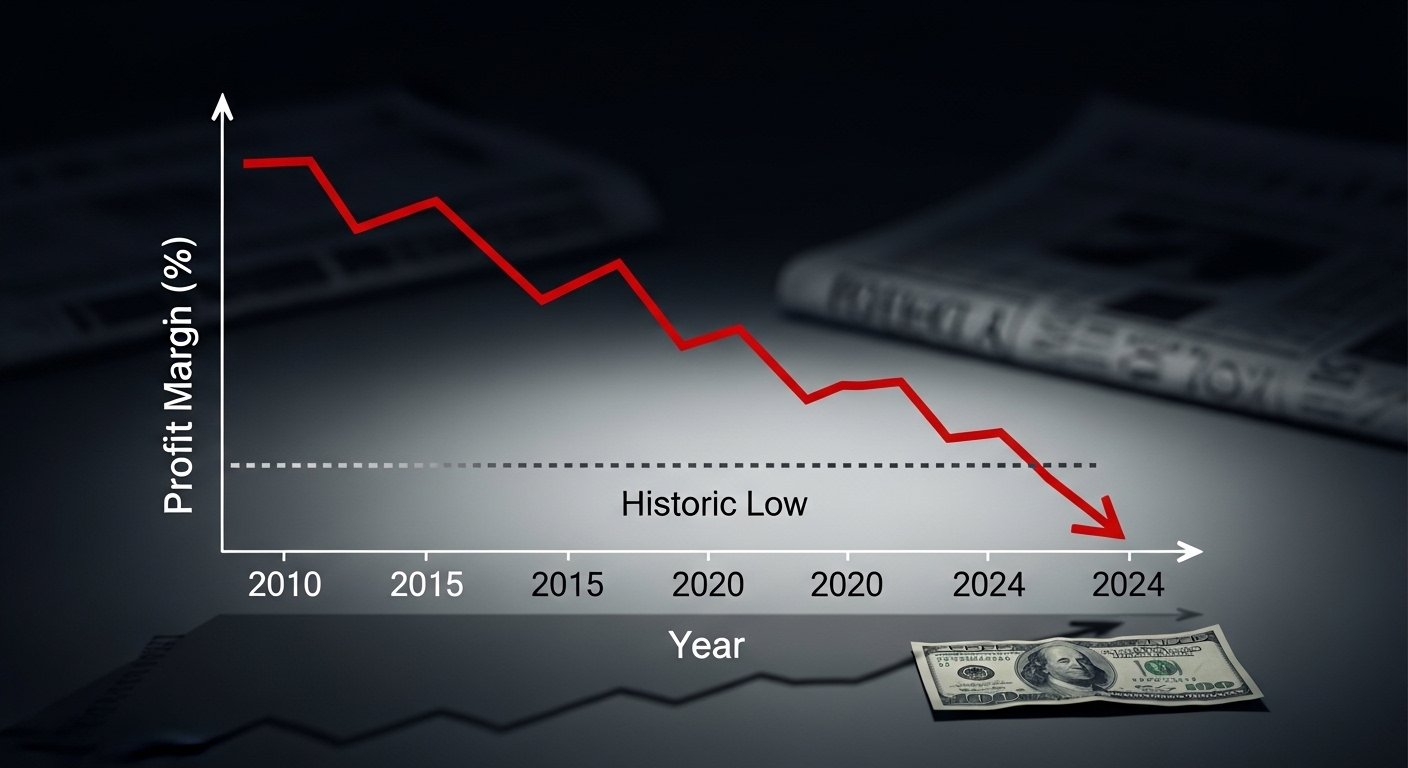
For miners operating on thin margins, even small fluctuations in Bitcoin price can determine profitability. Break-even costs vary widely depending on electricity rates and hardware efficiency. Some miners remain profitable at relatively low prices, while others struggle even during moderate rallies.
The compression of margins has forced many operators to optimize relentlessly. Cost-cutting measures, operational efficiencies, and strategic energy sourcing have become standard practices in the industry.
The Role of Bitcoin Price Volatility
Price volatility plays a central role in mining economics. When Bitcoin experiences rapid price increases, miner revenue rises in dollar terms even if block rewards remain constant. Conversely, price downturns can quickly erode profitability.
The current environment reflects a disconnect between network strength and price momentum. While hash rate signals confidence, price movements have not fully offset the impact of halving and difficulty increases. This creates a challenging environment for Bitcoin miners balancing growth with sustainability.
Long-Term Outlook for Bitcoin Mining
Looking ahead, the trajectory of Bitcoin miners will depend on several interrelated factors. Continued technological innovation in ASIC efficiency could reduce operational costs. Growth in transaction fees could supplement block reward reductions. Favorable regulatory developments could encourage institutional investment.
Additionally, macroeconomic conditions and broader crypto market trends will influence price performance, directly affecting miner revenue. If Bitcoin enters a sustained bull cycle, current profit pressures may ease significantly.
However, even if margins remain tight, the surpassing of 1 zettahash demonstrates that miners are committed to expanding capacity. The network’s strength suggests a belief that long-term rewards justify short-term sacrifices.
Conclusion
Bitcoin miners powering back above 1 zettahash is a landmark achievement that highlights the unparalleled security and resilience of the Bitcoin network. Yet, beneath this impressive milestone lies a sobering reality: profits are hovering near historic lows due to rising difficulty, reduced block rewards, and persistent operational costs.
This divergence between network strength and miner profitability illustrates the complex economics driving blockchain security. While miners face near-term challenges, their continued investment signals long-term confidence in Bitcoin’s future. As the industry adapts through innovation, efficiency, and strategic planning, Bitcoin miners remain central to the ecosystem’s growth and stability. The journey beyond 1 zettahash is not just about computational power. It is a story of endurance, competition, and unwavering belief in the decentralized financial revolution.
FAQs
Q: Why are Bitcoin miners experiencing low profits even though hash rate is above 1 zettahash?
Bitcoin miners are facing low profits because higher hash rates lead to increased mining difficulty, which reduces the share of rewards each miner receives. At the same time, block rewards were cut during the most recent halving event, and energy costs remain significant. Unless Bitcoin’s price rises substantially or transaction fees increase, revenue per unit of hash power stays compressed, resulting in historically low margins despite record network strength.
Q: What does reaching 1 zettahash mean for the Bitcoin network’s security?
Reaching 1 zettahash means the network is performing over one sextillion calculations per second, making it extraordinarily secure. A higher hash rate significantly raises the cost of executing a 51% attack, reinforcing trust in Bitcoin as a decentralized and tamper-resistant blockchain. This milestone signals robust miner participation and strong infrastructure backing the network.
Q: How does the Bitcoin halving impact miner profitability over time?
The Bitcoin halving reduces the block reward by 50%, immediately lowering miner revenue unless compensated by higher prices or transaction fees. Historically, halvings have eventually been followed by bull markets, but there can be extended periods where miners operate under financial pressure. Efficient operations and strong balance sheets are crucial during these transitions.
Q: Can transaction fees eventually replace block rewards for miners?
In theory, transaction fees are designed to become the primary incentive for miners as block rewards decline over decades. However, for fees to fully replace rewards, network usage must remain consistently high. Increased adoption, scaling solutions, and innovative applications on Bitcoin could support this transition, but it remains a long-term evolution rather than an immediate solution.
Q: What factors could improve profitability for Bitcoin miners in the near future?
Profitability could improve if Bitcoin’s market price rises significantly, if transaction fees increase due to higher on-chain activity, or if energy costs decline. Advances in ASIC efficiency and access to low-cost renewable energy can also reduce operational expenses. A combination of technological progress, favorable market conditions, and strategic management will determine the financial health of Bitcoin miners moving forward.
