




Cardano Falls 12% In Selloff Shaking the Crypto Market the cryptocurrency market has once again demonstrated its volatile nature as Cardano falls 12% in selloff, triggering renewed discussions among investors, analysts, and blockchain enthusiasts. Cardano, often praised for its research-driven approach and long-term vision, has been one of the most closely watched blockchain projects in the digital asset space. A sharp decline of this magnitude naturally raises questions about market confidence, broader crypto sentiment, and the underlying factors contributing to such a sudden move.
This selloff did not occur in isolation. It reflects a complex mix of macroeconomic pressures, shifting investor psychology, and technical market dynamics. While price drops are not uncommon in crypto markets, the fact that Cardano falls 12% in selloff has captured attention because of its reputation as a fundamentally strong project with a loyal community. Understanding what led to this downturn requires a deeper look into Cardano’s ecosystem, recent market trends, and the broader state of the cryptocurrency market.
We will explore why Cardano experienced this decline, how it compares to past price movements, what it means for investors, and what the future may hold. By examining both short-term triggers and long-term fundamentals, readers can gain a clearer perspective on whether this selloff represents a temporary setback or a more significant shift in market sentiment.
Cardano Falls 12%
Cardano has long been positioned as a third-generation blockchain designed to address scalability, sustainability, and interoperability. Built on peer-reviewed academic research, it aims to provide a more secure and energy-efficient alternative to earlier blockchain networks. Over the years, Cardano has attracted attention for its methodical development process and strong emphasis on decentralization.
Despite these strengths, Cardano’s price has always been influenced by broader crypto market cycles. When Cardano falls 12% in selloff, it highlights the reality that even fundamentally robust projects are not immune to market-wide corrections. Cardano’s market position places it among the top blockchain platforms, making it particularly sensitive to shifts in investor sentiment and macroeconomic conditions.
The recent selloff has temporarily impacted Cardano’s market capitalization, pushing it lower in rankings and reigniting debates about its near-term growth prospects. However, its long-term vision and ongoing development continue to differentiate it from many speculative crypto projects.
What Triggered the Recent Selloff in Cardano
Broader Cryptocurrency Market Weakness
One of the primary reasons Cardano falls 12% in selloff is the broader weakness across the cryptocurrency market. When major assets such as Bitcoin and Ethereum experience downward pressure, altcoins like Cardano often face amplified declines. This correlation is a common feature of crypto markets, where sentiment tends to move collectively rather than independently.
Macroeconomic uncertainty, including concerns about interest rates, inflation, and global economic growth, has led investors to reduce exposure to risk assets. Cryptocurrencies, still viewed as high-risk investments by many, are often among the first assets to be sold during periods of uncertainty. Cardano’s decline reflects this risk-off behavior rather than project-specific failure.
Profit-Taking and Short-Term Speculation
Another contributing factor to the selloff is profit-taking by short-term traders. After periods of price appreciation, traders often lock in gains, leading to sudden downward moves. When Cardano falls 12% in selloff, it suggests that a significant number of market participants chose to exit positions simultaneously.
Short-term speculation plays a major role in crypto price movements. Leverage trading and automated sell orders can accelerate declines once key support levels are breached. This creates a cascading effect, where selling pressure intensifies rapidly, pushing prices lower than fundamentals alone might justify.
Technical Analysis and Price Dynamics
From a technical perspective, Cardano’s price action leading up to the selloff showed signs of weakening momentum. Technical indicators often reflect investor behavior, and when Cardano falls 12% in selloff, it is usually accompanied by a breakdown of important support levels.
Traders closely monitor moving averages, volume patterns, and relative strength indicators to gauge market direction. In this case, declining volume during prior rallies and increasing selling pressure signaled caution. Once selling began, stop-loss orders were triggered, further accelerating the price drop.
Technical analysis does not predict long-term value, but it plays a crucial role in short-term price movements. The recent decline demonstrates how quickly sentiment can shift when technical signals align with broader market weakness.
Investor Sentiment and Market Psychology
Fear and Uncertainty in the Crypto Market
Investor psychology plays a critical role when Cardano falls 12% in selloff. Fear often spreads quickly in cryptocurrency markets due to their highly speculative nature and constant information flow. Negative headlines, social media reactions, and sudden price drops can create a feedback loop that amplifies selling pressure.
Many investors react emotionally to sharp declines, choosing to sell to avoid further losses. This behavior can push prices below levels supported by fundamentals. Understanding this psychological dynamic is essential for interpreting whether a selloff reflects long-term issues or short-term panic.
Long-Term Holders Versus Short-Term Traders
The Cardano community includes both long-term believers and short-term traders. When a sharp selloff occurs, these groups often respond differently. Long-term holders tend to focus on development milestones, network upgrades, and adoption metrics rather than daily price movements.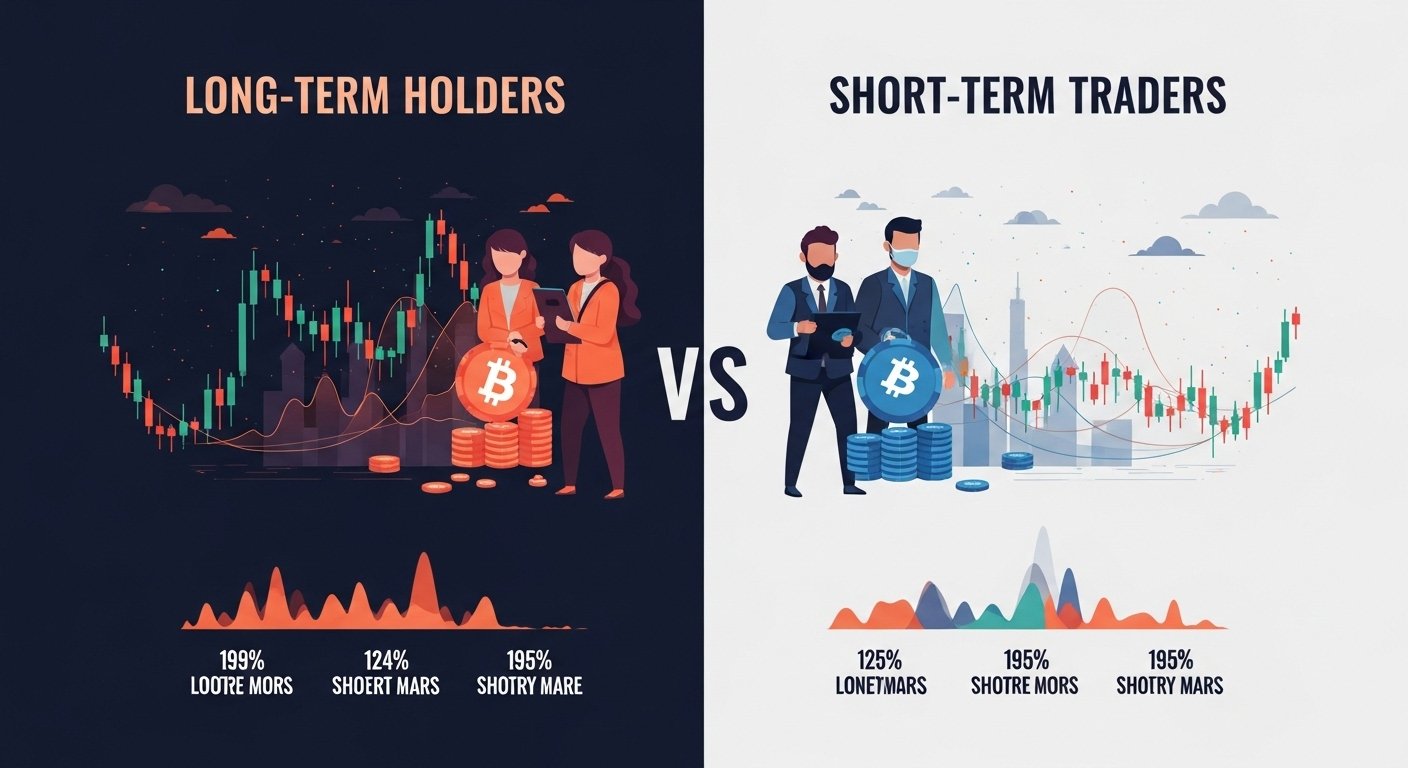

In contrast, short-term traders are more sensitive to volatility and technical signals. When Cardano falls 12% in selloff, it is often short-term traders who drive much of the initial decline. This distinction helps explain why price movements can be dramatic even when there is no major negative news about the project itself.
Fundamental Strengths of Cardano Amid the Selloff
Despite the recent price decline, Cardano’s underlying fundamentals remain largely unchanged. The network continues to evolve through upgrades designed to improve scalability, smart contract functionality, and interoperability. These developments are central to Cardano’s long-term value proposition.
Cardano’s emphasis on proof-of-stake consensus, decentralized governance, and peer-reviewed development sets it apart from many blockchain projects. When Cardano falls 12% in selloff, it does not necessarily indicate a loss of these strengths but rather reflects temporary market dynamics.
Institutional interest in blockchain technology and decentralized finance continues to grow, and Cardano’s infrastructure positions it to benefit from these trends over time. For investors with a long-term perspective, short-term price volatility may present opportunities rather than threats.
Comparing the Current Selloff to Past Cardano Corrections
Cardano has experienced multiple significant corrections throughout its history. Comparing the current decline to previous selloffs provides valuable context. In the past, sharp drops were often followed by periods of consolidation and renewed growth as development milestones were achieved.
When Cardano falls 12% in selloff, it mirrors patterns seen during earlier market cycles. These cycles are characterized by rapid price increases, followed by corrections that shake out speculative excess before the next phase of growth. While history does not guarantee future outcomes, it suggests that volatility is a recurring feature rather than an anomaly.
Understanding these historical patterns can help investors avoid overreacting to short-term price movements and instead focus on long-term trends.
Impact on the Broader Altcoin Market
Cardano’s decline has implications beyond its own ecosystem. As one of the larger altcoins, its price movements often influence sentiment across the altcoin market. When Cardano falls 12% in selloff, it can contribute to broader weakness among similar projects.
This interconnectedness highlights the importance of market leadership within the crypto space. Strong performance by major assets can lift sentiment, while sharp declines can have the opposite effect. The recent selloff underscores how quickly confidence can shift across the entire market.
Regulatory and Macroeconomic Considerations
Regulatory uncertainty remains a significant factor influencing cryptocurrency prices. Changes in government policy, regulatory enforcement, or legal clarity can impact investor confidence. While no specific regulatory action directly caused the recent decline, the broader environment contributes to cautious sentiment.
Macroeconomic conditions also play a role. Interest rate expectations, currency fluctuations, and geopolitical events affect global risk appetite. When investors become more risk-averse, cryptocurrencies often experience selling pressure. The fact that Cardano falls 12% in selloff reflects these broader forces at work.
Potential Scenarios for Cardano’s Near-Term Future
Looking ahead, several scenarios could unfold for Cardano. In a bullish scenario, market sentiment stabilizes, selling pressure subsides, and prices recover as investors regain confidence. Positive developments within the Cardano ecosystem could further support a rebound.
In a more cautious scenario, Cardano may enter a consolidation phase, trading within a range as the market digests recent losses. This period could allow fundamentals to catch up with price and reduce speculative excess.
A bearish scenario would involve continued market weakness and further declines. However, such outcomes often depend on external factors rather than project-specific issues. Understanding these possibilities helps investors prepare for different market conditions when Cardano falls 12% in selloff.
Long-Term Outlook for Cardano
The long-term outlook for Cardano remains tied to its ability to deliver on its vision. Adoption of decentralized applications, growth of its developer ecosystem, and real-world use cases will ultimately determine its success. Price volatility in the short term does not necessarily reflect long-term potential.
As blockchain technology matures, projects with strong foundations are more likely to endure. Cardano’s commitment to research, sustainability, and governance positions it as a serious contender in the evolving crypto landscape. For investors willing to tolerate volatility, the recent selloff may be viewed as part of a broader growth journey.
Conclusion
Cardano falls 12% in selloff as part of a broader wave of volatility affecting the cryptocurrency market. While the decline has raised concerns among investors, it is important to distinguish between short-term market dynamics and long-term fundamentals. Cardano’s strong technological foundation, ongoing development, and committed community remain intact despite the price drop.
Understanding the reasons behind the selloff, including market-wide weakness, investor psychology, and technical factors, provides valuable context. As with many crypto assets, Cardano’s journey is likely to include periods of sharp volatility alongside phases of growth. For those evaluating its future, a balanced perspective that considers both risks and opportunities is essential.
FAQs
Q: Why did Cardano experience a sudden 12% selloff
Cardano experienced a sudden selloff primarily due to broader cryptocurrency market weakness, increased risk aversion among investors, and technical selling triggered by key support levels breaking. The decline was more reflective of market conditions than project-specific problems.
Q: Does the selloff mean Cardano’s fundamentals are weakening
The selloff does not necessarily indicate weakening fundamentals. Cardano’s development roadmap, network upgrades, and long-term vision remain unchanged. Price movements in crypto markets often diverge from underlying fundamentals in the short term.
Q: How should long-term investors interpret this price drop
Long-term investors may view the price drop as part of normal market volatility. Instead of focusing solely on short-term price changes, they often assess progress in adoption, development, and ecosystem growth to guide their decisions.
Q: Could Cardano recover after this selloff
Recovery is possible if market sentiment improves and selling pressure eases. Historically, Cardano and other major cryptocurrencies have rebounded after sharp corrections, especially when supported by positive developments and broader market stabilization.
Q: What risks should investors be aware of going forward
Investors should be aware of ongoing risks such as market volatility, regulatory uncertainty, and macroeconomic factors. While Cardano has strong fundamentals, external conditions can still influence price performance in unpredictable ways.


