




Pakistan Bitcoin blockchain infrastructure The Pakistani financial sector has historically faced significant challenges that have prevented millions of citizens from accessing basic banking services. Traditional infrastructure has struggled to reach remote areas, leaving approximately 100 million adults without formal bank accounts. This financial exclusion has created barriers to economic participation and limited opportunities for wealth creation among marginalized communities.
Recent years have seen a gradual shift in governmental attitudes toward digital finance. Pakistan Bitcoin blockchain infrastructure The State Bank of Pakistan (SBP) has initiated several modernization programs aimed at enhancing the country’s payment systems and exploring emerging technologies. These initiatives reflect a growing recognition that Pakistan blockchain adoption could serve as a catalyst for overcoming infrastructural deficits and accelerating financial inclusion across urban and rural populations alike.
How Bitcoin Fits into Pakistan’s Economic Strategy
Bitcoin adoption in Pakistan presents a unique opportunity to address several pressing economic challenges simultaneously. The decentralized nature of cryptocurrency offers an alternative to traditional banking infrastructure, which has proven expensive to build and maintain in geographically challenging regions. For a country with significant mountainous terrain and remote communities, Bitcoin’s digital-first approach eliminates the need for physical branch networks.
Furthermore, Pakistan’s substantial diaspora community—which contributes billions of dollars annually in remittances—could benefit tremendously from cryptocurrency-based transfer systems. Traditional remittance channels charge exorbitant fees, often consuming 5-8% of the transferred amount. Bitcoin blockchain financial systems could reduce these costs to a fraction of current rates, putting more money directly into the hands of recipient families and stimulating local economies.
Blockchain Technology: Transforming Financial Infrastructure
Pakistan Bitcoin blockchain infrastructure Beyond cryptocurrency, blockchain technology Pakistan financial sector applications extend to numerous critical areas. The distributed ledger system offers unparalleled transparency and security for record-keeping, making it ideal for property registries, supply chain management, and government services. Several Pakistani startups and established corporations have already begun experimenting with blockchain solutions to streamline operations and reduce fraud.
The technology’s potential for smart contracts could revolutionize how agreements are executed in Pakistan’s business environment. Automated, self-executing contracts reduce the need for intermediaries, lower transaction costs, and minimize disputes. Pakistan Bitcoin blockchain infrastructure This efficiency gain is particularly valuable in a country where legal processes can be slow and cumbersome, often deterring both domestic and foreign investment.
Government Initiatives and Regulatory Framework
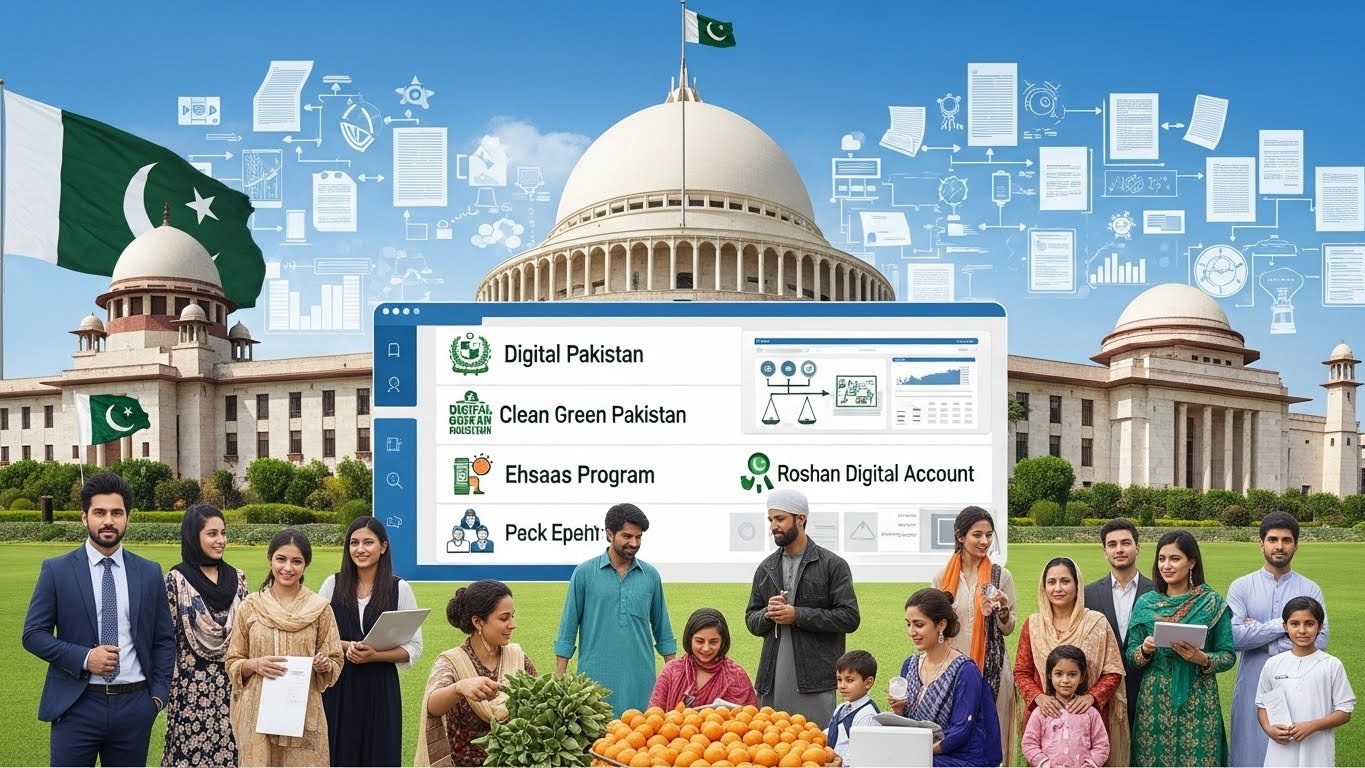

The Pakistani government’s approach to Pakistan Bitcoin and blockchain infrastructure has evolved considerably over recent years. Initially cautious about cryptocurrency due to concerns about money laundering and capital flight, authorities have gradually recognized the technology’s potential benefits when properly regulated. The Securities and Exchange Commission of Pakistan (SECP) has been working on comprehensive frameworks to govern digital assets while protecting investors and maintaining financial stability.
Pakistan Bitcoin blockchain infrastructure Recent policy discussions have focused on creating sandbox environments where blockchain startups can test innovations under regulatory supervision. Pakistan Bitcoin blockchain infrastructure This balanced approach aims to encourage technological development while mitigating risks associated with unregulated digital finance. The government has also explored partnerships with international organizations to develop best practices and learn from other nations’ experiences with cryptocurrency regulation.
Financial Inclusion Through Digital Currency
One of the most compelling arguments for Pakistan blockchain financial infrastructure development is its potential to dramatically expand financial inclusion. Mobile phone penetration in Pakistan exceeds 80%, far surpassing bank account ownership. This disparity creates an opportunity to leverage mobile technology and blockchain to provide financial services to previously underserved populations.
Pakistan Bitcoin blockchain infrastructure Digital wallets powered by blockchain technology could enable millions of Pakistanis to participate in the formal economy for the first time. Small business owners could accept digital payments, farmers could receive crop insurance payouts instantly, and workers could access microloans without requiring traditional credit histories. Pakistan Bitcoin blockchain infrastructureThese capabilities represent transformative potential for poverty reduction and economic empowerment across Pakistani society.
Challenges Facing Bitcoin and Blockchain Implementation
Despite the promising outlook for Pakistan Bitcoin blockchain infrastructure, significant obstacles remain. Digital literacy levels vary widely across the country, with rural populations often lacking the technological familiarity necessary to confidently use cryptocurrency platforms. Educational initiatives must accompany technological deployment to ensure widespread adoption and prevent exploitation of vulnerable users.
Infrastructure challenges also persist, particularly regarding internet connectivity and electricity supply. Blockchain operations require reliable power and data connections—resources that remain inconsistent in many Pakistani regions. Investment in fundamental infrastructure must proceed alongside blockchain development to ensure the technology reaches its full potential across the entire nation.
Private Sector Innovation and Startup Ecosystem
Pakistan’s technology startup ecosystem has embraced blockchain technology in Pakistan with remarkable enthusiasm. Numerous fintech companies are developing solutions tailored to local needs, from cryptocurrency exchanges to blockchain-based payment systems. These enterprises are attracting significant venture capital investment, both domestically and internationally, signaling growing confidence in Pakistan’s digital future.
Several established corporations are also exploring blockchain applications for their operations. Banks are testing distributed ledger systems for interbank settlements, telecommunications companies are examining blockchain for identity verification, and logistics firms are implementing supply chain tracking solutions. This broad-based private sector engagement suggests that blockchain adoption will extend far beyond the financial sector alone.
International Partnerships and Knowledge Exchange
Pakistan Bitcoin and blockchain financial infrastructure development has benefited from international collaboration. The government has engaged with multilateral organizations, including the World Bank and International Monetary Fund, to understand best practices for digital currency regulation. These partnerships provide valuable technical expertise and help Pakistan avoid pitfalls experienced by early cryptocurrency adopters.
Regional cooperation with neighboring countries has also proven valuable. Pakistan has participated in forums with other South Asian nations to discuss common challenges and coordinate regulatory approaches. This regional dialogue helps create more consistent regulatory environments that facilitate cross-border blockchain applications and cryptocurrency usage.
Security Considerations in Blockchain Implementation
As Pakistan blockchain adoption accelerates, cybersecurity becomes increasingly critical. Blockchain technology offers inherent security advantages through its decentralized and cryptographic nature, but implementation weaknesses can create vulnerabilities. Pakistani institutions must invest in robust security protocols, staff training, and continuous monitoring to protect against hacking, fraud, and system failures.
The government has recognized this imperative and begun collaborating with international cybersecurity firms to strengthen defenses. Educational programs aimed at raising awareness about digital security among general users are equally important. As more Pakistanis engage with cryptocurrency and blockchain applications, their ability to protect their digital assets will significantly impact overall system security and public confidence.
Economic Impact and Growth Projections
Economists project that successful Pakistan Bitcoin blockchain infrastructure implementation could significantly boost national GDP. By reducing transaction costs, accelerating payment processing, and expanding financial inclusion, blockchain technology creates efficiency gains that ripple throughout the economy. Some estimates suggest that comprehensive blockchain adoption could add several percentage points to annual economic growth over the next decade.
The technology sector itself represents a growing employment opportunity. As blockchain companies expand, they create jobs for developers, analysts, compliance specialists, and business professionals. This employment growth not only provides income but also builds human capital that strengthens Pakistan’s competitive position in the global digital economy.
Cryptocurrency Mining and Energy Considerations
The discussion of Bitcoin adoption in Pakistan must address cryptocurrency mining and its energy requirements. Pakistan faces chronic energy challenges, with electricity shortages affecting both households and businesses. Bitcoin mining is energy-intensive, raising questions about whether the country can sustainably support significant mining operations without exacerbating existing power deficits.
However, some analysts argue that cryptocurrency mining could actually incentivize renewable energy development. Pakistan possesses substantial untapped renewable resources, including solar and wind power. If properly structured, mining operations could provide anchor demand for renewable energy projects, making them financially viable and contributing to Pakistan’s energy diversification goals.
Banking Sector Transformation
Traditional banks in Pakistan are watching Pakistan blockchain financial infrastructure developments closely, recognizing both threats and opportunities. While cryptocurrency potentially disrupts conventional banking models, blockchain technology also offers banks tools to improve their operations dramatically. Several Pakistani banks have begun experimenting with blockchain for cross-border payments, fraud detection, and customer verification.
Forward-thinking financial institutions are positioning themselves as bridges between traditional finance and the emerging digital economy. By offering cryptocurrency custody services, blockchain-based lending platforms, and hybrid payment solutions, banks can remain relevant while facilitating their customers’ transition to digital finance. This adaptive approach benefits both the banking sector and broader economic modernization efforts.
Youth Engagement and Digital Literacy
Pakistan’s demographic profile—with a median age under 23—positions the country advantageously for Pakistan Bitcoin and blockchain infrastructure adoption. Young Pakistanis demonstrate strong technological aptitude and openness to digital innovation. This youth population represents both a ready market for cryptocurrency services and a pool of potential talent for the blockchain industry.
Educational institutions are beginning to respond to this opportunity by introducing blockchain and cryptocurrency courses. Universities in major cities now offer specialized programs in fintech and distributed ledger technology. These educational initiatives will be crucial for developing the skilled workforce necessary to build and maintain Pakistan’s digital financial infrastructure over the coming decades.
Global Competitiveness and Regional Leadership

By embracing blockchain technology Pakistan financial sector transformation, the nation positions itself for greater competitiveness in the global economy. As international trade increasingly incorporates digital payments and smart contracts, countries with advanced blockchain infrastructure gain significant advantages. Pakistan’s strategic geographic location, connecting South Asia, Central Asia, and the Middle East, amplifies the potential benefits of becoming a regional blockchain hub.
Regional leadership in digital finance could attract foreign direct investment and position Pakistan as an innovation center. Other South Asian nations are watching Pakistan’s blockchain experiments with interest, and successful implementation could establish the country as a model for emerging economies seeking to modernize their financial systems through technology.
Consumer Protection and Regulatory Balance
As Pakistan Bitcoin blockchain infrastructure expands, protecting consumers while encouraging innovation presents a delicate balancing act for regulators. Overly restrictive regulations could stifle the nascent blockchain industry and drive activity underground or offshore. Conversely, insufficient oversight might expose consumers to fraud, manipulation, and financial losses that undermine public confidence.
The Securities and Exchange Commission of Pakistan is working to develop proportionate regulations that address key risks without imposing unnecessary burdens on legitimate businesses. This includes requirements for transparent disclosure, capital adequacy standards for cryptocurrency exchanges, and mechanisms for dispute resolution. International cooperation helps ensure Pakistani regulations align with global best practices while remaining appropriate for local conditions.
Environmental Sustainability and Green Blockchain
Environmental concerns surrounding Bitcoin adoption in Pakistan cannot be ignored, particularly given global awareness of cryptocurrency’s carbon footprint. Pakistan has committed to international climate agreements and faces significant environmental challenges, including air pollution and water scarcity. Reconciling blockchain development with environmental sustainability requires careful planning and policy coordination.
Innovative solutions are emerging, including proof-of-stake consensus mechanisms that consume far less energy than traditional proof-of-work systems. Pakistan could prioritize these more sustainable blockchain protocols in its regulatory framework and incentivize renewable energy use for cryptocurrency operations. Such approaches would allow the country to capture blockchain’s benefits while advancing environmental objectives.
Cross-Border Trade and Supply Chain Management
Pakistan blockchain financial infrastructure applications extend importantly to international trade. The country’s exports—including textiles, agricultural products, and manufactured goods—require complex documentation and payment systems that often involve multiple intermediaries. Blockchain-based trade finance platforms can streamline these processes, reducing costs and accelerating transaction times.
Supply chain transparency represents another valuable application. Blockchain systems can track products from manufacture through delivery, providing verification that goods meet quality standards and ethical sourcing requirements. For Pakistani exporters, this capability could open access to premium markets where consumers demand supply chain transparency, particularly in sectors like organic agriculture and ethical fashion.
Conclusion
The journey toward comprehensive Pakistan Bitcoin and blockchain infrastructure represents one of the most significant transformations in the nation’s economic history. While challenges remain—including infrastructure gaps, regulatory uncertainties, and digital literacy requirements—the potential benefits are substantial enough to justify sustained commitment to this digital revolution. Pakistan stands at a critical juncture where thoughtful policy decisions and strategic investments can position the country for prosperity in an increasingly digital global economy.Success will require continued collaboration among government agencies, private sector innovators, educational institutions, and civil society organizations.
Learning from international experiences while adapting solutions to local contexts, Pakistan can build blockchain technology Pakistan financial sector infrastructure that serves its unique needs and leverages its distinctive advantages. The coming years will be decisive in determining whether Pakistan captures the opportunities presented by cryptocurrency and distributed ledger technology. how Pakistan Bitcoin and blockchain financial infrastructure can contribute to your personal and professional goals. The digital financial future is being built today, and Pakistan’s role in that future remains to be fully determined by the choices and actions of its people.


