


Visa and Mastercard Question Stablecoin Hype in Daily Payments For several years, stablecoins have been marketed as the missing link between traditional finance and blockchain-based payments. Pegged to fiat currencies and designed to minimize volatility, they promise fast settlement, lower fees, and global accessibility. Crypto advocates often argue that stablecoins are perfectly positioned to disrupt card networks and replace them in everyday payments. Yet despite the noise, two of the most powerful players in global payments, Visa and Mastercard, remain unconvinced. When it comes to the idea that stablecoins will soon dominate daily consumer transactions, Visa and Mastercard aren’t buying the stablecoin hype for everyday payments.
Their skepticism does not stem from ignorance or fear of innovation. Both companies have invested heavily in blockchain research, pilot programs, and digital payment infrastructure. They understand the technology deeply. However, they also see practical realities that many enthusiasts overlook. From regulatory uncertainty to user experience challenges, the gap between stablecoin potential and real-world adoption remains wide. This article explores why Visa and Mastercard are cautious, what their stance means for the future of payments, and how digital payments, blockchain technology, and financial infrastructure are evolving together rather than colliding head-on.
Visa and Mastercard Question Stablecoin Hype
Stablecoins emerged to address one of crypto’s most obvious flaws: volatility. Early cryptocurrencies were ill-suited for everyday payments because their value could change dramatically in minutes. Stablecoins, typically pegged to fiat currencies like the US dollar, promised price stability while retaining blockchain efficiency. In theory, this combination made them ideal for routine purchases such as groceries, subscriptions, and transport fares.
This promise fueled the narrative that stablecoins could replace card networks. Supporters argued that merchants would benefit from lower fees, consumers would enjoy faster settlement, and cross-border payments would become frictionless. In this vision, crypto payments powered by stablecoins would eventually make traditional intermediaries obsolete.
The Reality of Everyday Payment Behavior
Despite these theoretical advantages, everyday payment behavior is shaped less by ideology and more by convenience and trust. Most consumers prioritize ease of use, widespread acceptance, and protection against fraud. Card payments already offer instant authorization, consumer protections, and seamless integration with point-of-sale systems.
Visa and Mastercard understand this deeply because they built their businesses around these preferences. From their perspective, stablecoins have not yet demonstrated that they can deliver a significantly better experience for everyday users. This gap between promise and practice is a key reason Visa and Mastercard aren’t buying the stablecoin hype for everyday payments.
Visa’s Perspective on Stablecoins and Payments
Innovation Without Disruption
Visa has often been perceived as crypto-friendly due to its experiments with blockchain settlement and partnerships with crypto platforms. However, these initiatives are often misunderstood. Visa’s strategy focuses on improving back-end efficiency rather than replacing consumer-facing payment methods.
By exploring blockchain-based settlement, Visa aims to reduce friction between financial institutions, not to encourage consumers to abandon cards. From Visa’s viewpoint, stablecoins may have a role in wholesale payments or cross-border settlements, but that does not automatically translate to everyday retail use. Payment networks are complex ecosystems, and Visa believes incremental innovation is more realistic than sudden disruption.
Regulation and Compliance Concerns
One of Visa’s biggest reservations lies in regulation. Stablecoins operate in a patchwork of legal frameworks that vary by jurisdiction. For a global payment network serving billions of users, regulatory clarity is not optional. Visa must comply with strict standards around anti-money laundering, consumer protection, and data security.
Stablecoins, especially those issued by private entities, often lack consistent oversight. Visa sees this as a fundamental risk. Until stablecoins operate within a clear and globally accepted regulatory framework, Visa is unlikely to view them as viable replacements for everyday card payments. This regulatory uncertainty reinforces why Visa and Mastercard aren’t buying the stablecoin hype for everyday payments.
Mastercard’s View on Stablecoins in Daily Commerce
A Focus on Trust and Consumer Protection
Mastercard’s brand is built on trust. Consumers expect that if something goes wrong with a transaction, there is a clear dispute resolution process. Chargebacks, fraud monitoring, and consumer safeguards are core features of card networks.
Stablecoin transactions, by contrast, are often irreversible. While this immutability is celebrated in crypto circles, it raises concerns for mainstream consumers. Mastercard recognizes that without robust consumer protections, stablecoins struggle to compete with traditional payment rails for everyday use. Financial security and trust remain decisive factors in consumer adoption.
Interoperability and Scale Challenges
Another issue Mastercard highlights is interoperability. Everyday payments require seamless interaction between banks, merchants, acquirers, and issuers across borders. Card networks have spent decades building this infrastructure.
Stablecoins operate on fragmented blockchains with varying standards. Scaling these systems to handle millions of transactions per second while maintaining reliability is a challenge that remains unresolved. Mastercard sees these limitations as significant barriers to mainstream adoption, further supporting the view that stablecoins are not yet ready for everyday payments.
The Economics of Payments and Merchant Adoption
Fees Vs Value
One of the most common arguments in favor of stablecoins is lower transaction fees. While blockchain transactions can be cheaper in certain contexts, this comparison often ignores the value provided by card networks. Fees paid to Visa and Mastercard fund fraud prevention, global acceptance, customer support, and system reliability.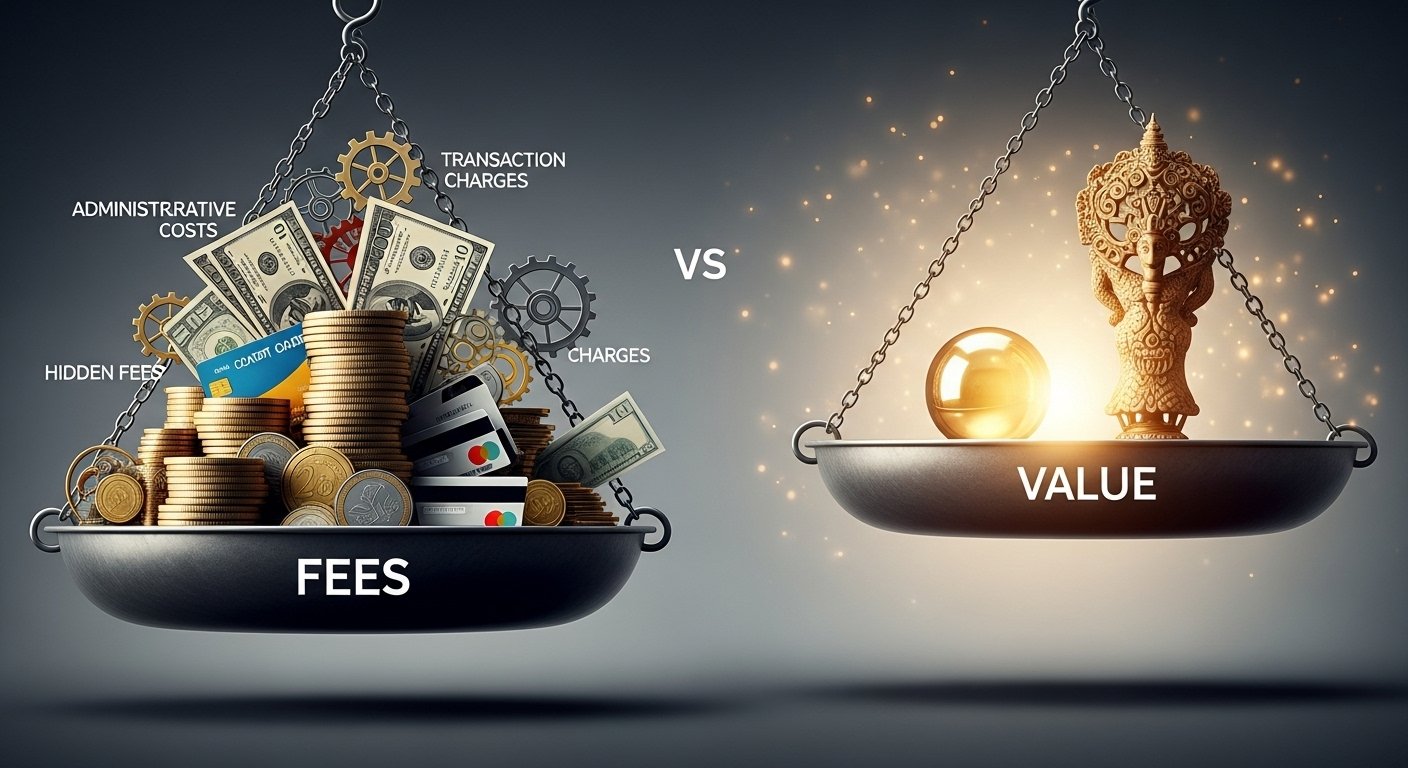
Merchants evaluate payments holistically. They care about conversion rates, customer trust, and operational simplicity. Stablecoins may reduce certain costs, but they also introduce new complexities such as wallet management, price conversion, and accounting challenges. For many merchants, the trade-off is not compelling enough to justify a shift away from cards.
Consumer Demand Remains Limited
Visa and Mastercard closely monitor consumer behavior. Despite increased awareness of crypto, stablecoin usage in everyday retail transactions remains low. Most stablecoin activity is concentrated in trading, remittances, or decentralized finance rather than daily purchases.
This lack of organic consumer demand reinforces skepticism. Payment networks evolve in response to user behavior, not speculative trends. Until consumers actively demand stablecoin payments at scale, Visa and Mastercard see little incentive to reposition their core business models.
Technology Versus User Experience
Complexity at the Point of Sale
From a technical standpoint, stablecoins can process transactions quickly. However, the user experience often involves managing private keys, understanding network fees, and navigating unfamiliar interfaces. For the average consumer, this complexity is a barrier.
Card payments, by contrast, are nearly invisible. A tap or click completes the transaction, and the underlying complexity is abstracted away. Visa and Mastercard understand that mass adoption depends on simplicity. Until stablecoin payments match or exceed this ease of use, skepticism will remain.
Reliability and Network Effects
Card networks benefit from powerful network effects. Millions of merchants accept cards because billions of consumers use them, and vice versa. Stablecoins lack this level of integration. Even if a merchant accepts stablecoins, consumers may not have compatible wallets or sufficient balances.
Visa and Mastercard see network effects as one of their strongest advantages. Displacing such deeply entrenched systems requires not just better technology, but overwhelming benefits. So far, stablecoins have not delivered those benefits in everyday contexts.
The Role of Central Bank Digital Currencies
A Different Path to Digital Money
Interestingly, Visa and Mastercard are more open to central bank digital currencies than privately issued stablecoins. CBDCs combine digital efficiency with sovereign backing and regulatory clarity. From the perspective of card networks, CBDCs could integrate more smoothly into existing payment systems.
This openness highlights an important distinction. Visa and Mastercard are not anti-digital currency; they are cautious about unregulated alternatives. Their stance suggests that the future of digital finance may involve collaboration between public institutions and private networks rather than disruption by stablecoins alone.
Complementary, Not Competitive
If CBDCs become widespread, Visa and Mastercard could serve as intermediaries, providing user interfaces, fraud protection, and acceptance infrastructure. This complementary role aligns with their existing strengths. Stablecoins, by contrast, often aim to bypass intermediaries entirely, creating tension with established networks.
This strategic difference explains why Visa and Mastercard view CBDCs as an opportunity while remaining skeptical of stablecoins for everyday payments.
Why the Hype Persists Despite Skepticism
Speculation and Narrative Momentum
The crypto industry thrives on bold narratives. The idea that stablecoins will replace Visa and Mastercard is compelling because it suggests a dramatic shift in power. However, narratives can persist even when evidence is limited.
Visa and Mastercard take a longer-term view. They assess trends based on data, adoption metrics, and operational feasibility. From this perspective, the hype around stablecoins often outpaces their practical impact on everyday payments.
Niche Success Vs Mass Adoption
Stablecoins have found genuine success in specific niches, such as cross-border transfers and on-chain liquidity. These use cases are valuable, but they do not automatically translate to daily consumer spending. Visa and Mastercard recognize this distinction.
By acknowledging niche success while questioning mass adoption, they maintain a balanced position. This nuance is often lost in public discourse, but it is central to understanding why Visa and Mastercard aren’t buying the stablecoin hype for everyday payments.
The Future of Payments: Evolution Over Revolution
Gradual Integration of Blockchain
Rather than a sudden replacement of card networks, the future of payments is more likely to involve gradual integration of blockchain elements. Visa and Mastercard may adopt blockchain for settlement, identity verification, or cross-border optimization without changing the consumer experience.
This evolutionary approach aligns with their history. Payment systems have always evolved incrementally, prioritizing stability and trust. Stablecoins may influence this evolution, but not in the disruptive way often predicted.
Coexistence of Multiple Payment Methods
Everyday payments are not a zero-sum game. Cash, cards, mobile wallets, and bank transfers coexist because they serve different needs. Stablecoins may eventually find their place within this ecosystem, but that does not mean they will replace existing methods.
Visa and Mastercard’s skepticism reflects an understanding of this diversity. They see stablecoins as one tool among many, not the dominant force in everyday payments.
Conclusion
The debate around stablecoins and everyday payments often pits innovation against tradition. Yet the reality is more complex. Visa and Mastercard are not resisting change; they are carefully evaluating it. Their cautious stance highlights practical challenges around regulation, consumer protection, scalability, and user experience that stablecoins have yet to overcome.
While stablecoins offer intriguing possibilities, they currently lack the trust, simplicity, and network effects that underpin everyday payments. Visa and Mastercard aren’t buying the stablecoin hype for everyday payments because they see the full picture, not just the promise. As the payments landscape continues to evolve, stablecoins may play a role, but it is likely to be alongside, rather than instead of, established card networks.
FAQs
Q: Why do Visa and Mastercard remain skeptical about stablecoins for everyday payments?
Visa and Mastercard remain skeptical because everyday payments require regulatory clarity, consumer protection, and seamless user experiences. Stablecoins, while innovative, still face challenges in compliance, fraud protection, and widespread acceptance that make them less practical for daily consumer use.
Q: Do Visa and Mastercard completely reject blockchain and digital currencies?
No, both companies actively explore blockchain technology and digital currencies. Their skepticism is specific to the idea that stablecoins will replace card payments. They are more open to regulated digital currencies and blockchain solutions that integrate with existing payment infrastructure.
Q: Are stablecoins currently used for everyday purchases at scale?
Stablecoin usage is largely concentrated in trading, remittances, and decentralized finance. Everyday retail adoption remains limited, which reinforces the view of Visa and Mastercard that consumer demand has not yet reached meaningful levels.
Q: Could stablecoins eventually coexist with traditional card networks?
Yes, coexistence is possible. Stablecoins may serve niche or specialized payment needs while card networks continue to dominate everyday transactions. Over time, elements of stablecoin technology could be integrated into traditional systems without replacing them.
Q: What would need to change for stablecoins to challenge Visa and Mastercard in daily payments?
For stablecoins to become serious competitors, they would need clear global regulation, strong consumer protections, simple user interfaces, and widespread merchant acceptance. Without these factors, Visa and Mastercard are likely to remain central to everyday payments.
