



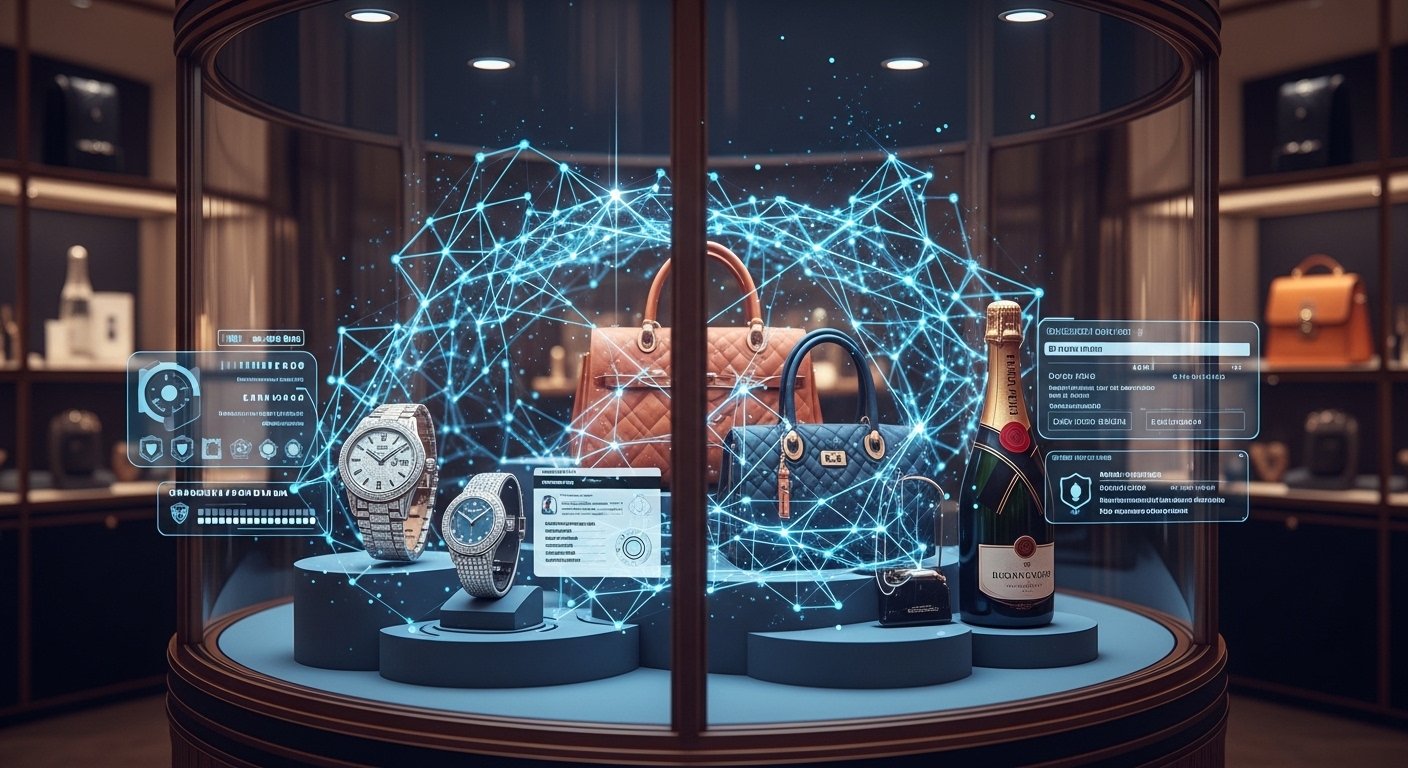
Blockchain Revolutionizes Luxury, Loyalty, and Sustainability In recent years, blockchain technology has evolved from a niche financial tool into a transformative force across multiple industries. Among the sectors experiencing the most profound changes are luxury goods, customer loyalty programs, and sustainability initiatives. The marriage of blockchain with these domains is not just a passing trend—it represents a paradigm shift that emphasizes transparency, efficiency, and consumer empowerment.
Luxury brands are now leveraging digital ledgers to authenticate products, enhance customer trust, and even redefine loyalty. Meanwhile, environmentally conscious consumers and investors are turning to blockchain as a way to verify sustainable practices, ensuring that their purchases reflect genuine ethical standards.
We explores how blockchain is reshaping these three critical areas, highlighting the innovative strategies brands are adopting, the benefits for consumers, and the broader implications for the future of commerce.
Blockchain Revolutionizes Luxury
The luxury industry has long been associated with exclusivity, prestige, and high-quality craftsmanship. However, it has also faced persistent challenges related to counterfeiting, transparency, and maintaining consumer trust. Blockchain offers a revolutionary solution. By providing an immutable digital record of a product’s history, from creation to sale, luxury brands can offer unprecedented product authenticity.
Authenticity and Provenance
For luxury consumers, authenticity is paramount. Counterfeit products have long plagued the market, eroding trust and harming brand reputation. Blockchain allows each luxury item, whether it is a designer handbag, watch, or high-end jewelry piece, to have a unique digital identity. This identity records every stage of production, shipment, and ownership transfer, creating a verifiable provenance trail. Customers can scan a QR code or access a blockchain ledger to confirm the legitimacy of their purchase, eliminating doubt and enhancing confidence.
Personalized Experiences
Luxury brands are also exploring blockchain to deliver hyper-personalized experiences. By integrating blockchain with customer profiles, brands can track preferences, past purchases, and engagement patterns in a secure and transparent manner. This approach allows brands to offer tailored recommendations, exclusive rewards, and curated experiences, strengthening the emotional connection between the consumer and the brand.
Digital Luxury Assets
Another emerging trend is the creation of digital luxury assets, often in the form of non-fungible tokens (NFTs). These NFTs can represent ownership of limited-edition items, virtual fashion, or exclusive event access.

By leveraging blockchain, luxury brands can create scarcity, provenance, and digital ownership in a way that resonates with tech-savvy consumers and collectors.
Blockchain-Enhanced Loyalty Programs
Customer loyalty programs have traditionally relied on points systems, reward cards, and email promotions. While effective to an extent, they often suffer from fragmentation, fraud, and limited engagement. Blockchain introduces a new era of secure and interoperable loyalty ecosystems.
Transparency and Security
Blockchain ensures that loyalty points, rewards, and transactions are recorded on an immutable ledger. This eliminates discrepancies, fraud, and the risk of points being lost or manipulated. Consumers gain confidence knowing their rewards are accurately tracked and redeemable across participating brands or platforms.
Interoperable Loyalty Networks
Beyond transparency, blockchain enables interoperable loyalty networks, allowing consumers to use points across multiple brands and industries. For example, points earned at a luxury fashion retailer could be redeemed for travel perks, exclusive experiences, or partner products. This flexibility enhances engagement, encourages cross-brand collaboration, and creates a more dynamic loyalty ecosystem.
Incentivizing Engagement
Blockchain also allows brands to create innovative reward structures that incentivize meaningful customer engagement. Rather than simply rewarding purchases, brands can reward social engagement, sustainability actions, or content creation. By tokenizing rewards and integrating smart contracts, brands can ensure fair, automated, and transparent distribution of loyalty benefits, creating stronger customer bonds.
Blockchain and Sustainability
Sustainability has become a central concern for both consumers and companies. From climate change to ethical sourcing, modern buyers demand accountability. Blockchain provides a robust solution for verifying sustainability claims and promoting environmental responsibility.
Transparent Supply Chains
One of the most significant contributions of blockchain is its ability to create fully transparent supply chains. Companies can track raw materials, production processes, and logistics to ensure compliance with ethical and environmental standards. Consumers can verify whether products are made from sustainably sourced materials, produced under fair labor conditions, or meet environmental regulations. This level of transparency builds consumer trust and reinforces brand integrity.
Reducing Greenwashing
Greenwashing—the practice of exaggerating sustainability claims—has become a widespread issue. Blockchain combats this by providing immutable proof of environmental initiatives. Carbon credits, recycled materials, and energy-efficient processes can be tracked and verified on a blockchain, giving consumers confidence that brands are genuinely committed to sustainability.
Empowering Consumers
Blockchain also empowers consumers to make conscious choices. By providing accessible and verifiable data on the environmental impact of products, consumers can align their purchasing decisions with their values. This creates a feedback loop where brands are incentivized to adopt more sustainable practices, and consumers are rewarded with transparency and accountability.
Challenges and Considerations
While the benefits of blockchain in luxury, loyalty, and sustainability are significant, adoption comes with challenges. Implementing blockchain technology requires substantial investment in infrastructure, integration with existing systems, and training for personnel. Moreover, the technology is still evolving, and scalability, interoperability, and regulatory compliance remain areas of concern.
Privacy is another critical consideration. While blockchain ensures transparency, companies must carefully balance openness with protecting sensitive consumer data. Finally, consumer education is vital. To fully leverage blockchain’s benefits, customers need to understand how to access, verify, and utilize digital ledgers for authentication, rewards, and sustainability verification.
The Future of Blockchain in Consumer Experience
The potential of blockchain extends beyond individual applications in luxury, loyalty, and sustainability. The technology is poised to redefine the entire consumer experience. We can expect increasingly connected ecosystems where purchases, rewards, and sustainability actions are seamlessly integrated. Smart contracts will automate loyalty rewards, NFTs will provide unique ownership experiences, and digital ledgers will ensure authenticity and transparency in every transaction.
As adoption grows, blockchain could also support circular economies, enabling brands to track and reclaim products for resale, recycling, or upcycling. Consumers will not only be more informed but also more actively involved in shaping sustainable, ethical, and personalized consumption patterns.
Conclusion
Blockchain is reshaping how luxury, loyalty, and sustainability intersect with modern commerce. By providing transparency, security, and verifiable data, the technology empowers both brands and consumers. Luxury brands can ensure authenticity and create unique digital experiences, loyalty programs can reward meaningful engagement with accuracy and flexibility, and sustainability efforts gain credibility and measurable impact.
The convergence of blockchain with these domains signals a future where trust, personalization, and responsibility are not optional—they are fundamental. As technology advances and adoption spreads, the brands and consumers who embrace blockchain will likely set new standards for excellence, accountability, and innovation in the marketplace.
FAQs
Q: How exactly does blockchain ensure authenticity in luxury products, and why is it more reliable than traditional methods?
Blockchain ensures authenticity by creating a permanent, tamper-proof digital record of a product’s journey from manufacturing to sale. Each item is assigned a unique identifier linked to a digital ledger, which records every transaction, transfer, and verification point. Unlike traditional methods like certificates or holograms, which can be counterfeited, blockchain provides a transparent, immutable record that consumers and brands can independently verify, making it significantly more reliable.
Q: Can blockchain-based loyalty programs work across multiple brands, and what are the benefits for consumers and businesses?
Yes, blockchain allows the creation of interoperable loyalty programs where points or rewards earned at one brand can be redeemed at others within the network. For consumers, this flexibility enhances engagement and provides tangible value, while businesses benefit from increased customer retention, cross-brand collaboration, and actionable insights into spending behaviors, ultimately creating a more dynamic and connected ecosystem.
Q: How does blockchain help consumers verify sustainability claims, and what impact does it have on environmental responsibility?
Blockchain helps consumers verify sustainability claims by providing an immutable ledger that records each step of a product’s lifecycle, including sourcing, production, and distribution. This transparency allows buyers to confirm that materials are ethically sourced, manufacturing is environmentally friendly, and carbon footprints are minimized. The impact is twofold: it builds trust with conscious consumers and pressures companies to adopt genuine sustainable practices.
Q: What challenges do companies face when implementing blockchain in luxury, loyalty, and sustainability, and how can they overcome them?
Companies face challenges such as high implementation costs, integration with legacy systems, scalability issues, regulatory compliance, and privacy concerns. To overcome these obstacles, organizations must invest in robust infrastructure, educate staff and consumers, collaborate with blockchain specialists, and develop clear strategies for data privacy and regulatory adherence. Gradual adoption and pilot programs can also help mitigate risks while demonstrating value.
Q: How might blockchain shape the future of consumer experiences beyond authentication and loyalty programs?
Blockchain has the potential to redefine the entire consumer experience by integrating purchases, rewards, sustainability, and ownership into a seamless ecosystem. Smart contracts can automate reward distribution, NFTs can offer exclusive digital and physical experiences, and circular economy initiatives can track product lifecycle for resale or recycling. This integration empowers consumers to make informed, responsible choices while fostering innovation and personalized engagement.


