



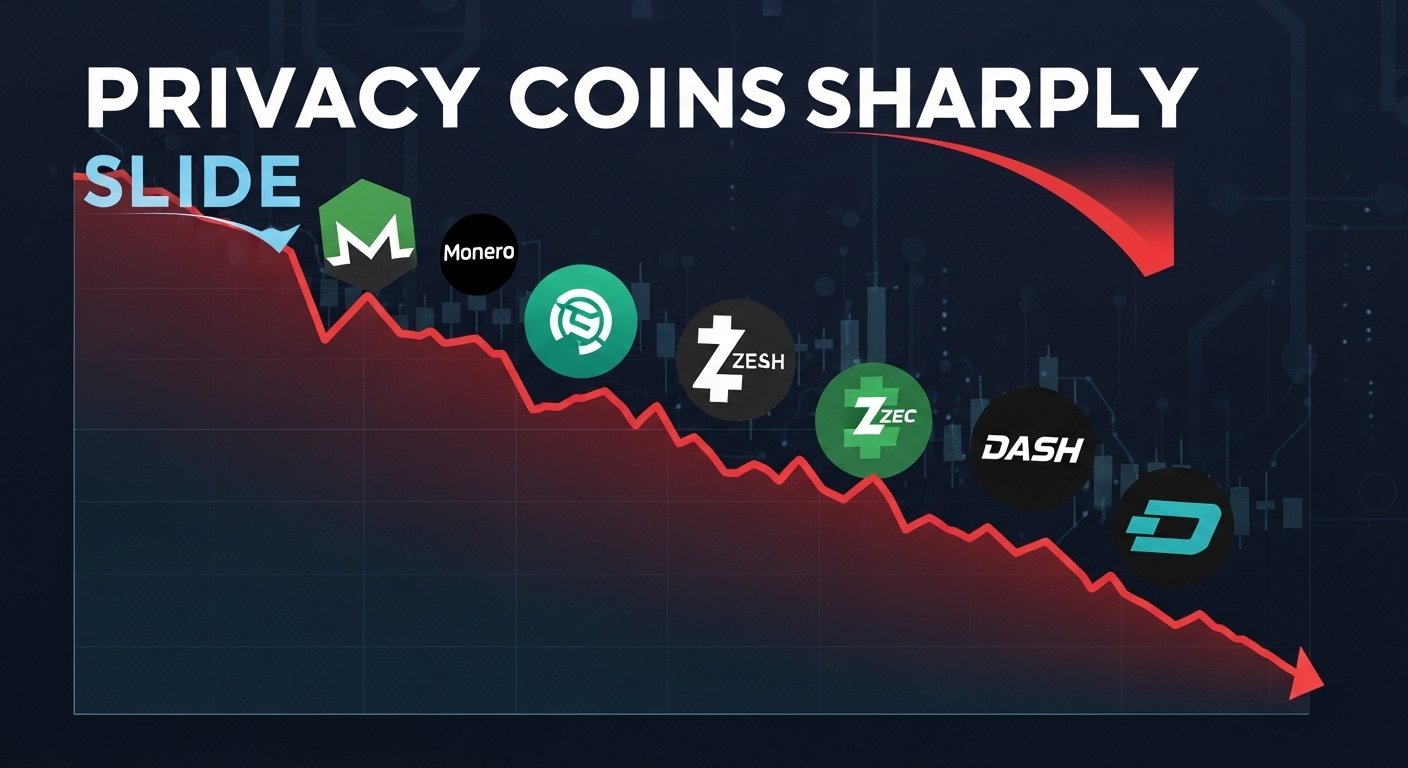
Privacy Coins Slide Sharply as Sector Suffers Double-Digit Losses, marking one of the most challenging weeks for privacy-focused cryptocurrencies in recent memory. Assets designed to protect user anonymity and transaction confidentiality have faced intense selling pressure, underperforming the broader crypto market and erasing gains accumulated over previous months. This sudden downturn has reignited debate about the future of privacy-centric digital assets, their regulatory standing, and their role in an increasingly compliance-driven crypto ecosystem.
The sharp decline did not happen in isolation. It unfolded against a backdrop of heightened regulatory scrutiny, shifting investor sentiment, liquidity tightening, and broader market volatility. Privacy coins, which include cryptocurrencies built around anonymous transactions, on-chain obfuscation, and financial confidentiality, tend to be more sensitive to regulatory narratives than other crypto sectors. As a result, when uncertainty spikes, these assets often react more aggressively.
Understanding why privacy coins slide sharply as sector posts double-digit weekly losses requires examining market structure, investor psychology, regulatory signals, and the evolving perception of privacy in blockchain technology. This article explores the causes behind the decline, how different stakeholders are responding, and what the future may hold for privacy-focused cryptocurrencies.
Privacy Coins Slide Sharply
Privacy coins are cryptocurrencies specifically engineered to enhance transaction privacy and user anonymity. Unlike transparent blockchains where transaction details are publicly visible, privacy coins employ advanced cryptographic techniques to obscure sender, receiver, and transaction amounts. When privacy coins slide sharply as sector posts double-digit weekly losses, it raises questions about whether the market still values these privacy guarantees at scale.
These assets are built around principles of financial autonomy and censorship resistance. Supporters argue that privacy is a fundamental right, while critics claim such technologies complicate regulatory oversight. This philosophical divide heavily influences market sentiment.
How Privacy Coins Differ From Other Cryptocurrencies
While many blockchains offer optional privacy features, privacy coins prioritize anonymity by default. This distinction has historically set them apart, attracting users concerned with surveillance and data exposure. However, it has also placed them under greater scrutiny. As privacy coins slide sharply as sector posts double-digit weekly losses, their unique positioning becomes both a strength and a vulnerability.
The Scale and Nature of the Recent Losses
Double-Digit Weekly Declines Explained
Privacy coins slide sharply as sector posts double-digit weekly losses across multiple major tokens, signaling a sector-wide selloff rather than isolated weakness. Such declines typically indicate strong consensus among sellers, often driven by external catalysts rather than internal network failures.
Double-digit losses within a week reflect rapid repricing of risk. In this case, investors appear to have reassessed the regulatory and market risks associated with privacy-focused assets, leading to accelerated exits.
Comparison With the Broader Crypto Market
While the broader crypto market also experienced volatility, privacy coins underperformed significantly. Privacy coins slide sharply as sector posts double-digit weekly losses at a time when some other sectors showed relative resilience. This divergence highlights how sector-specific narratives can outweigh general market trends.
Regulatory Pressure and Its Market Impact
Renewed Focus on Compliance and Transparency
One of the most significant drivers behind the downturn is renewed regulatory focus on compliance and transparency. Privacy coins slide sharply as sector posts double-digit weekly losses as policymakers and enforcement bodies emphasize stricter monitoring of crypto transactions.
Privacy-enhancing technologies are often viewed with suspicion by regulators concerned about money laundering and illicit finance. Even when used for legitimate purposes, the perception of risk can influence investor behavior.
Exchange Policies and Market Accessibility
Regulatory pressure often influences exchange policies. When privacy coins slide sharply as sector posts double-digit weekly losses, it is frequently compounded by concerns over delistings or reduced trading support. Limited accessibility can reduce liquidity, amplifying price declines during selloffs.
Market participants closely watch these signals, and fear of restricted access can trigger preemptive selling.
Investor Sentiment and Risk Aversion
Shifting Appetite for High-Risk Assets
Privacy coins are generally considered higher-risk assets due to regulatory uncertainty. Privacy coins slide sharply as sector posts double-digit weekly losses during periods when investors shift toward lower-risk or more established crypto assets.
Risk aversion tends to rise during uncertain macro or regulatory environments. In such conditions, speculative or controversial sectors often face disproportionate selling pressure.
Fear-Driven Selling and Market Psychology
Market psychology plays a powerful role in accelerating declines. Privacy coins slide sharply as sector posts double-digit weekly losses partly because fear spreads quickly in niche sectors.

Once prices begin to fall rapidly, stop-loss orders and panic selling can intensify the move. This emotional feedback loop can push prices below levels justified by fundamentals alone.
Liquidity Conditions and Market Structure
Thin Order Books and Volatility
Privacy coins often have lower liquidity compared to major cryptocurrencies. When privacy coins slide sharply as sector posts double-digit weekly losses, thin order books can exacerbate price movements. Even modest selling pressure can result in outsized declines.
Lower liquidity also discourages large buyers from stepping in during downturns, prolonging periods of weakness.
Capital Rotation Within Crypto Markets
Capital rotation is another contributing factor. Privacy coins slide sharply as sector posts double-digit weekly losses as investors reallocate funds toward sectors perceived as safer or more aligned with regulatory trends, such as infrastructure or compliance-friendly blockchain platforms.
This rotation reflects changing priorities rather than a complete loss of interest in crypto.
Technological Fundamentals Versus Market Perception
Strong Privacy Technology Amid Weak Prices
Despite price declines, the underlying technology behind privacy coins remains robust. Privacy coins slide sharply as sector posts double-digit weekly losses even though advancements in cryptographic privacy, zero-knowledge proofs, and transaction obfuscation continue.
This disconnect between technology and price highlights how market perception can overshadow fundamentals in the short term.
Long-Term Value of Privacy Features
Many developers and users argue that privacy will become increasingly important as digital surveillance expands. Privacy coins slide sharply as sector posts double-digit weekly losses now, but long-term demand for privacy-preserving financial tools may persist.
This tension between short-term pricing and long-term utility defines much of the sector’s volatility.
Broader Market and Macroeconomic Influences
Global Risk Factors and Crypto Correlation
Crypto markets remain sensitive to global risk factors, including interest rate expectations and geopolitical developments. Privacy coins slide sharply as sector posts double-digit weekly losses in environments where liquidity tightens and speculative capital retreats.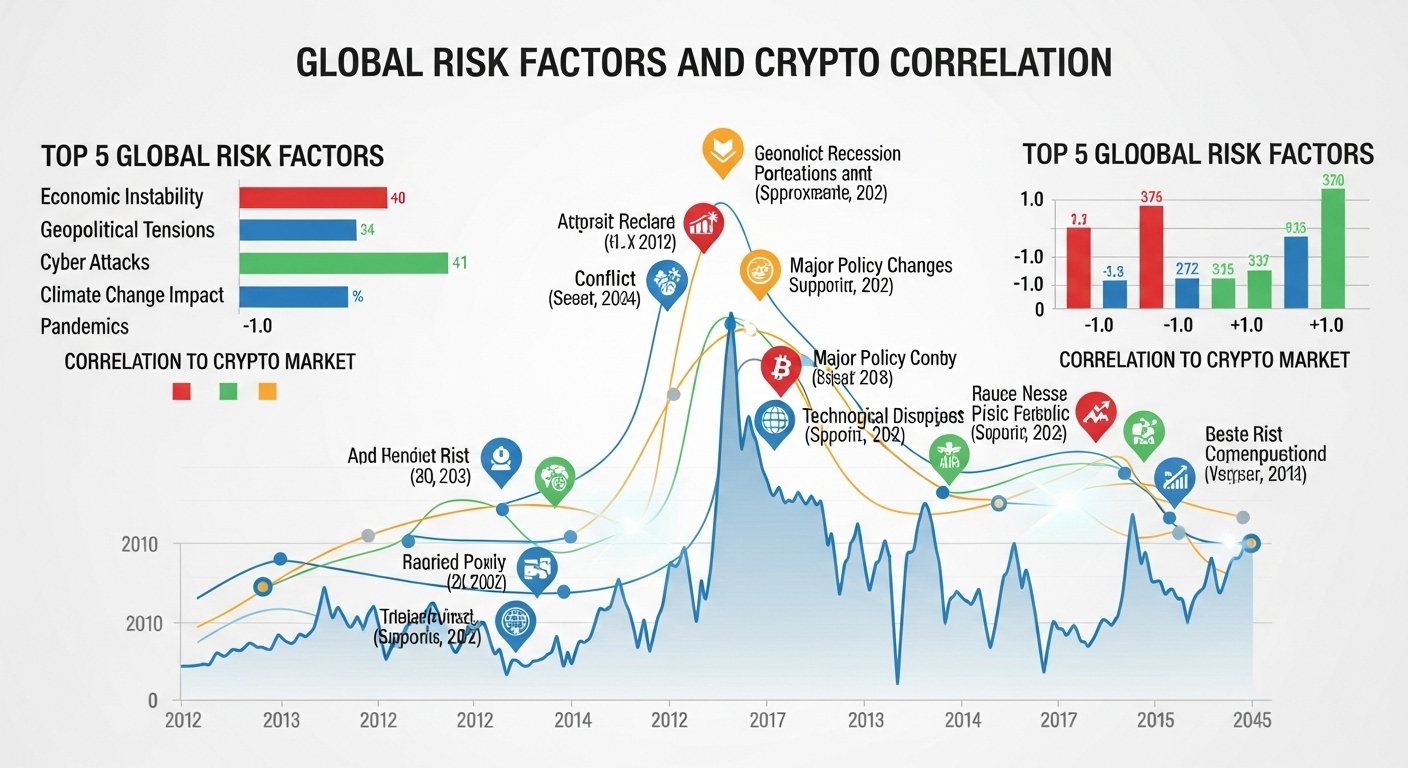
These macro influences affect all crypto assets but tend to hit niche sectors harder.
Correlation With Bitcoin and Ethereum
While privacy coins often follow broader market trends, they can decouple during periods of sector-specific stress. Privacy coins slide sharply as sector posts double-digit weekly losses even when major assets show relative stability, underscoring their vulnerability to targeted narratives.
Community and Developer Response
Maintaining Focus Amid Market Stress
Developer communities behind privacy coins often emphasize long-term vision during downturns. Privacy coins slide sharply as sector posts double-digit weekly losses, but development activity frequently continues uninterrupted. This resilience can help preserve confidence among committed supporters, even as prices fluctuate.
Advocacy for Financial Privacy
Advocates argue that privacy coins serve an essential role in protecting individual freedoms. Privacy coins slide sharply as sector posts double-digit weekly losses, but debates around digital rights, financial sovereignty, and data protection remain active. Such advocacy may influence future adoption and regulatory dialogue.
Potential Scenarios for Recovery or Continued Pressure
Conditions for a Market Rebound
A recovery would likely require clearer regulatory guidance, improved market sentiment, and renewed risk appetite. Privacy coins slide sharply as sector posts double-digit weekly losses now, but stabilization in broader markets could provide a foundation for recovery. Improved liquidity and exchange support would also be key catalysts.
Risks of Prolonged Weakness
If regulatory pressure intensifies or liquidity continues to dry up, privacy coins could face prolonged weakness. Privacy coins slide sharply as sector posts double-digit weekly losses that may not be quickly reversed without positive catalysts. Investors must weigh these risks when assessing exposure.
The Role of Privacy in the Future of Crypto
Privacy as a Feature Versus a Category
One evolving trend is the integration of privacy features into broader platforms. Privacy coins slide sharply as sector posts double-digit weekly losses partly because some investors believe privacy will become a feature rather than a standalone category. This shift could reshape how privacy technology is valued and deployed.
Balancing Privacy and Compliance
The long-term success of privacy-focused assets may depend on balancing privacy with compliance. Privacy coins slide sharply as sector posts double-digit weekly losses as this balance remains unresolved. Innovations that allow selective disclosure could bridge this gap and influence future adoption.
Conclusion
Privacy coins slide sharply as sector posts double-digit weekly losses, reflecting a convergence of regulatory anxiety, risk aversion, and structural market challenges. While the recent downturn has been severe, it does not erase the technological advancements or philosophical arguments underpinning privacy-focused cryptocurrencies. Instead, it highlights the sector’s sensitivity to perception, policy, and liquidity.
The future of privacy coins will depend on how effectively they navigate regulatory landscapes, maintain technological relevance, and articulate their value in a changing crypto ecosystem. As privacy coins slide sharply as sector posts double-digit weekly losses, the market is reminded that innovation and volatility often go hand in hand, and that long-term outcomes are rarely determined by short-term price movements alone.
FAQs
Q: Why did privacy coins slide sharply this week?
Privacy coins slide sharply as sector posts double-digit weekly losses due to increased regulatory scrutiny, reduced risk appetite, and liquidity pressures that disproportionately affect privacy-focused assets.
Q: Are privacy coins fundamentally broken after these losses?
No, the underlying technology remains strong. Privacy coins slide sharply as sector posts double-digit weekly losses mainly because of market sentiment and regulatory concerns, not because of fundamental technical failures.
Q: How do regulations impact privacy coin prices so strongly?
Regulations influence exchange support, investor confidence, and market accessibility. Privacy coins slide sharply as sector posts double-digit weekly losses when fear of restrictions or delistings rises.
Q: Can privacy coins recover from double-digit weekly losses?
Recovery is possible if regulatory clarity improves and market sentiment stabilizes. Privacy coins slide sharply as sector posts double-digit weekly losses now, but crypto markets are known for rapid reversals under favorable conditions.
Q: What role will privacy coins play in the future of crypto?
Privacy coins may continue to influence the development of privacy features across the ecosystem. Even as privacy coins slide sharply as sector posts double-digit weekly losses, the demand for financial privacy remains a relevant and ongoing discussion.


