



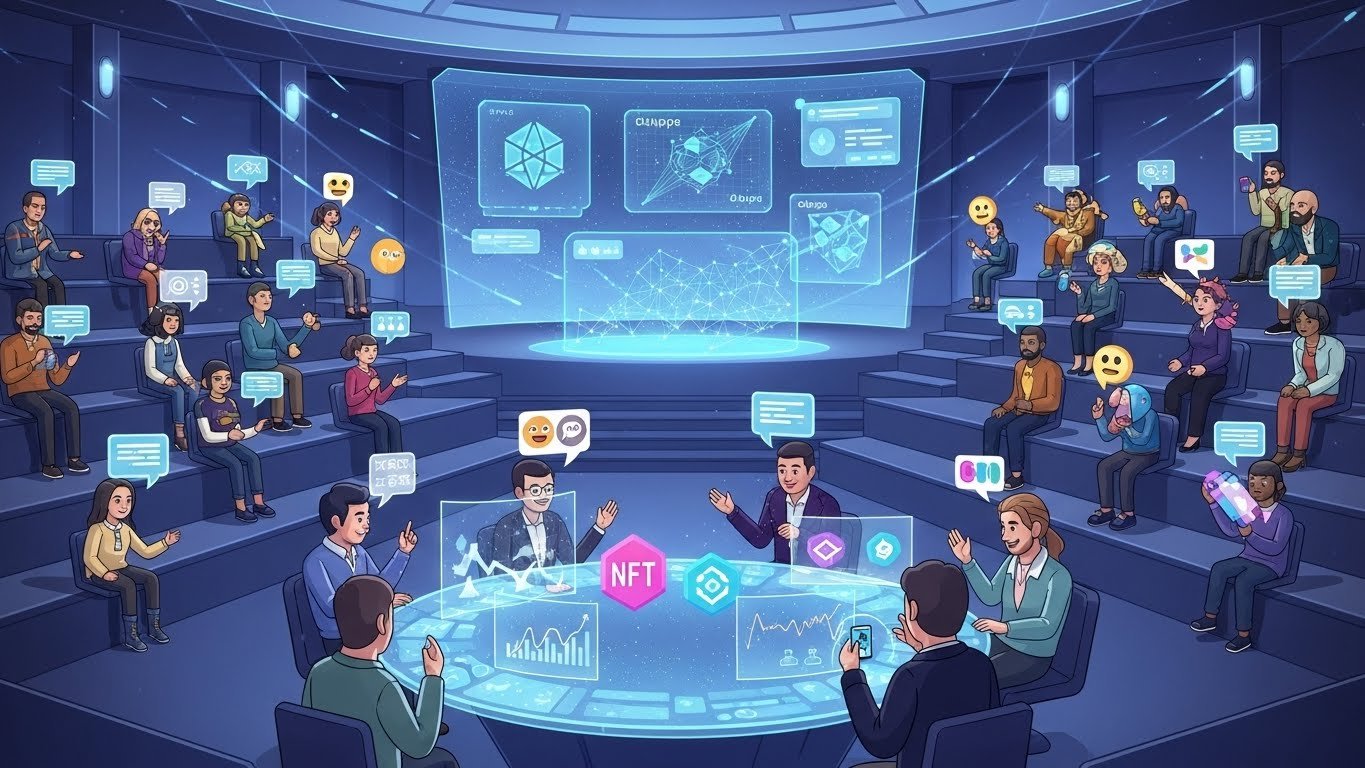
The digital landscape is undergoing a massive transformation, and at the heart of this revolution lies the concept of decentralized collaboration. If you’ve been exploring blockchain technology, cryptocurrency, or the future of the internet, you’ve likely encountered the term Web3 community. But what exactly does this mean, and why are these decentralized online communities attracting millions of participants worldwide? A Web3 community represents a fundamental shift from traditional internet spaces, where users finally own their data, control their contributions, and participate in genuine digital democracy. Unlike conventional social media platforms where corporations hold all the power, Web3 communities empower members through blockchain technology, tokenization, and transparent governance structures. This comprehensive guide will walk you through everything you need to understand about these revolutionary digital spaces.
he Foundation of Web3 Communities
Before diving deep into what makes a Web3 community unique, we need to understand the technological foundation that supports these decentralized ecosystems. The term Web3 refers to the third generation of internet services, built on blockchain technology and emphasizing user ownership rather than corporate control.Traditional online communities, which we can call Web2 communities, operate on centralized servers owned by companies like Facebook, Reddit, or Discord. These platforms make all the rules, control all the data, and can change policies or remove users without warning. In contrast, a Web3 community operates on decentralized networks where no single entity has complete control.
The architecture of decentralized online communities relies on distributed ledger technology, which means that records of community activities, ownership, and governance decisions are stored across multiple nodes rather than on one central server. This distributed nature makes these communities more resistant to censorship, data breaches, and arbitrary rule changes.Smart contracts play a crucial role in managing Web3 community operations. These self-executing programs automatically enforce community rules, distribute rewards, and manage governance without requiring human intermediaries. When a community member completes a specific action, such as contributing content or participating in a vote, smart contracts can automatically trigger appropriate responses like token rewards or reputation increases.
Core Characteristics That Define Web3 Communities
What truly distinguishes a Web3 community from traditional online groups? Several defining characteristics set these decentralized online communities apart and create an entirely different user experience.Ownership represents the most fundamental difference. In a Web3 community, members genuinely own their contributions, digital assets, and even portions of the community itself through tokens. When you create content, participate in discussions, or help grow the community, you receive tokens that represent actual ownership stakes. These tokens can appreciate in value as the community grows, meaning early contributors are rewarded for their efforts.
Interoperability distinguishes decentralized online communities from their Web2 predecessors. Your digital identity, assets, and reputation in one Web3 community can often transfer to another. Imagine building a strong reputation in one community and being able to carry that credibility to every other platform you join. This portability creates a unified digital identity that you control across the entire Web3 ecosystem.Permissionless participation means anyone can join most Web3 communities without requiring approval from gatekeepers. While some communities may require holding specific tokens, the barriers to entry are transparent and accessible to everyone rather than subject to arbitrary approval processes controlled by platform administrators.
How Governance Works in Decentralized Online Communities
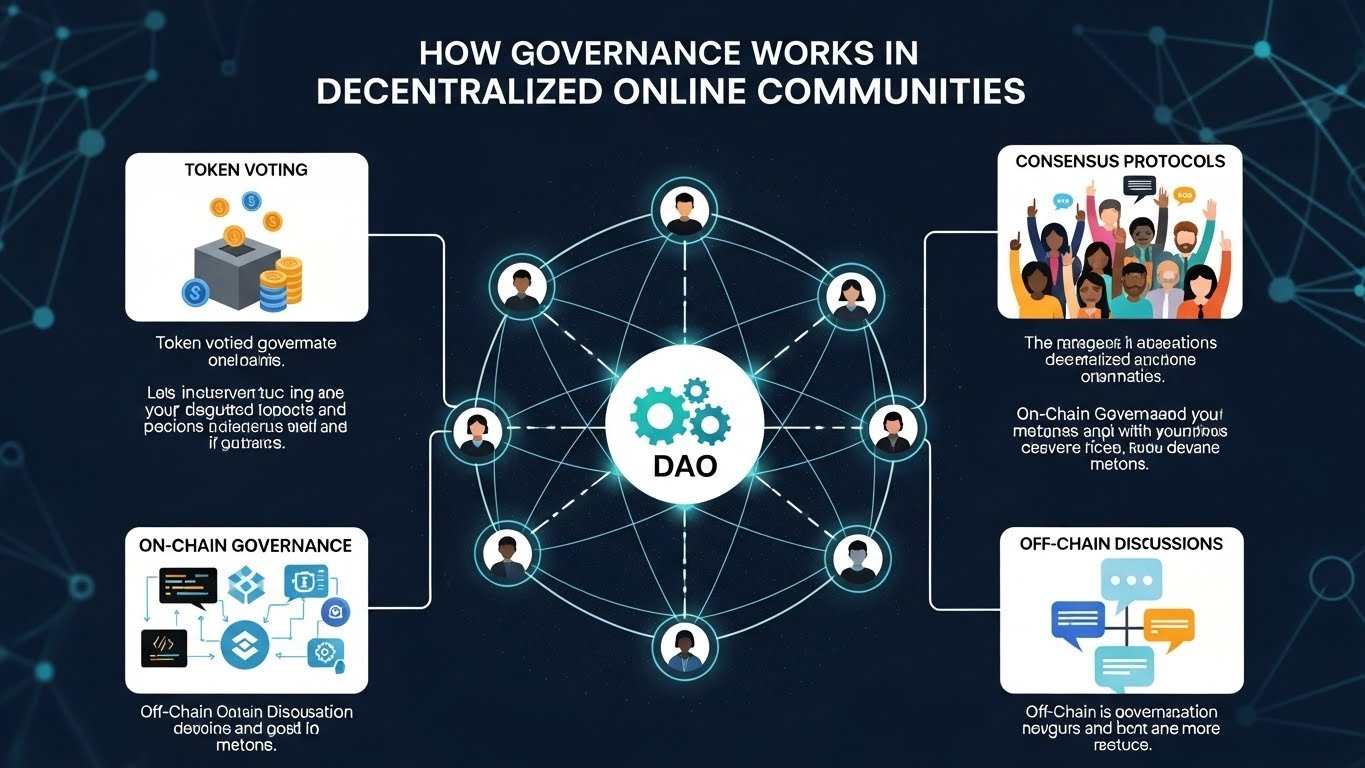

Governance in a Web3 community operates fundamentally differently than in traditional organizations or platforms. Instead of top-down management where executives make all decisions, decentralized online communities embrace distributed governance models that give members direct voting power.Decentralized Autonomous Organizations, commonly known as DAOs, represent the most popular governance structure for Web3 communities. In a DAO, token holders can propose changes, vote on community decisions, and automatically implement approved proposals through smart contracts. The more tokens a member holds, the more voting power they possess, though many communities are experimenting with alternative voting mechanisms to prevent plutocracy.
Governance tokens serve as the backbone of decision-making in decentralized online communities. These special tokens grant holders the right to participate in votes, submit proposals, and shape community direction. Unlike traditional shareholding, governance tokens can be earned through contribution rather than only purchased, allowing active members to gain influence regardless of their financial resources.Some Web3 communities implement reputation-based governance systems alongside or instead of token-weighted voting. These systems assign voting power based on demonstrated contributions, expertise, and positive engagement rather than financial investment. This approach helps ensure that those who actively participate and add value have appropriate influence over community direction.
Token Economics and Incentive Structures
Understanding token economics is essential to grasping how a Web3 community sustains itself and motivates participation. Unlike traditional platforms that extract value from users while providing minimal compensation, decentralized online communities distribute value directly to contributors through sophisticated token systems.Utility tokens power many Web3 community ecosystems. These tokens grant holders access to specific features, services, or benefits within the community. For example, a community focused on decentralized content creation might require utility tokens to publish articles, access premium features, or receive priority support. As the community grows and demand for these utilities increases, token value can appreciate, rewarding early adopters and active participants.
.Staking mechanisms encourage long-term commitment in many Web3 communities. Members can lock their tokens for specified periods to demonstrate commitment, gaining enhanced voting power, increased rewards, or access to exclusive opportunities. This system helps prevent short-term speculation while rewarding those genuinely invested in community success.Liquidity pools and token exchanges enable Web3 community members to convert their earned tokens into other cryptocurrencies or traditional currency. This liquidity distinguishes Web3 rewards from traditional platform points or badges that hold no real-world value. When community members can trade tokens on decentralized exchanges, their contributions translate directly into tangible economic value.
Popular Types of Web3 Communities
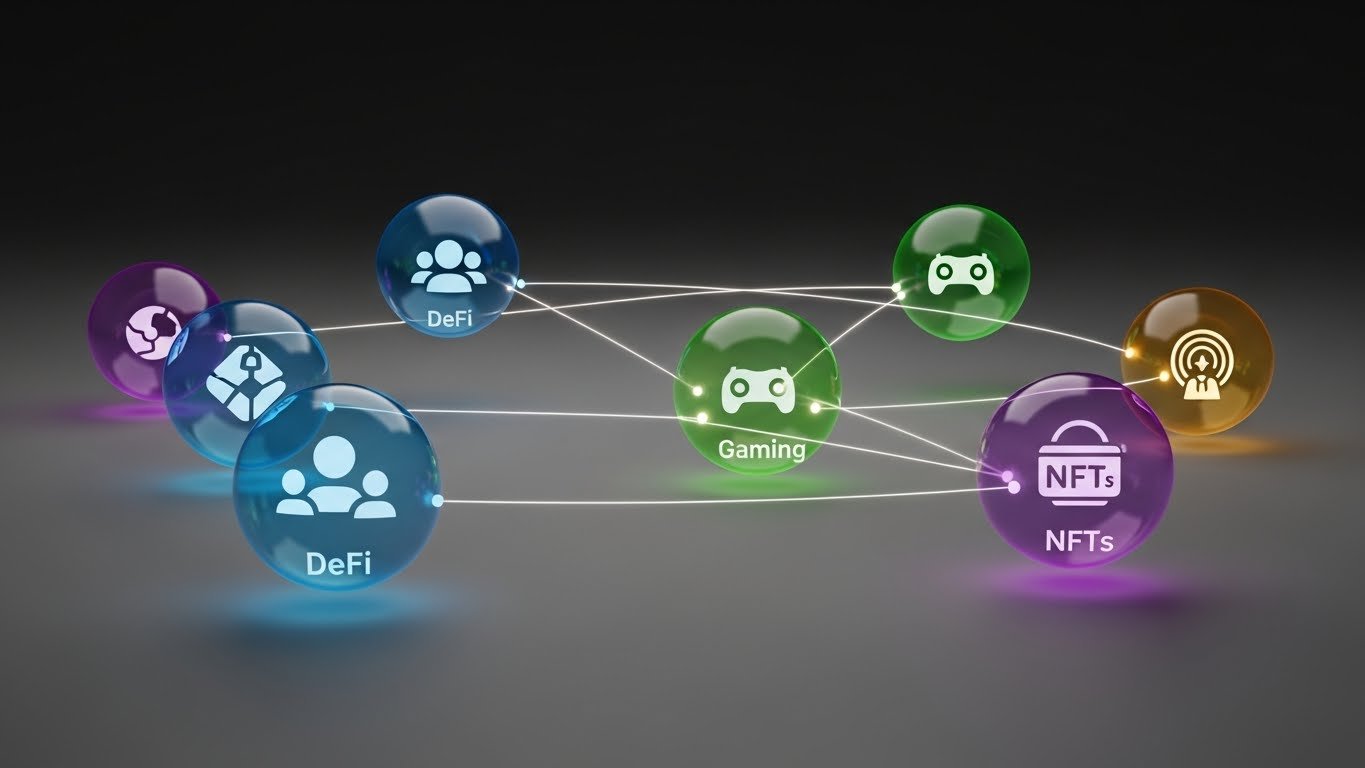
The Web3 community landscape encompasses diverse groups organized around different purposes, interests, and objectives. Understanding these various types helps clarify how decentralized online communities apply to different sectors and use cases.Investment DAOs gather individuals pooling resources to make collective investment decisions in cryptocurrency projects, NFTs, real estate, or traditional assets. These Web3 communities democratize access to investment opportunities previously available only to wealthy individuals or institutional investors. Members propose potential investments, conduct due diligence collaboratively, and vote on allocating community funds.
Creator communities empower artists, writers, musicians, and other content creators to build direct relationships with supporters without platform intermediaries. These decentralized online communities enable creators to tokenize their work, sell directly to collectors, and reward their most engaged fans. By removing middlemen, creators retain more value from their work while fans gain ownership stakes in the creative projects they support.Protocol communities form around specific blockchain protocols or decentralized applications. These Web3 communities include developers, users, and enthusiasts collaborating to improve the protocol, expand its adoption, and govern its evolution. Examples include the Ethereum community, various DeFi protocol communities, and layer-2 scaling solution communities.
Gaming guilds represent Web3 communities focused on play-to-earn games and metaverse experiences. Members collaborate strategically, share resources, and collectively earn rewards through coordinated gameplay. These guilds often provide scholarships to new players, lending them expensive NFT assets needed to participate in games, creating opportunities for players regardless of their financial situation.Social DAOs gather people around shared interests, values, or identities without explicit commercial objectives. These decentralized online communities might focus on hobbies, causes, geographic locations, or professional interests. They demonstrate how Web3 principles can enhance purely social interactions by giving members ownership and governance over their digital gathering spaces.
Building and Growing a Web3 Community
Creating a successful Web3 community requires understanding both technical infrastructure and human dynamics. While blockchain technology provides the foundation, community success ultimately depends on fostering genuine engagement, trust, and shared purpose among membersDefining clear purpose and values forms the crucial first step. Successful decentralized online communities unite around compelling missions that resonate with potential members. Whether the purpose involves advancing a specific technology, supporting creators in a particular niche, or achieving social impact, clarity about core values helps attract aligned individuals and maintain community cohesion as the group grows.
Selecting appropriate technical infrastructure shapes how a Web3 community functions daily. Communities must choose blockchain networks, governance frameworks, token standards, and communication platforms that align with their goals and member needs. Some communities build custom smart contracts, while others leverage existing DAO frameworks like Aragon, DAOstack, or Snapshot. The technical choices should serve the community rather than the community adapting to arbitrary technical constraints.Establishing governance structures early prevents conflicts as Web3 communities scale. Clear processes for submitting proposals, conducting discussions, tallying votes, and implementing decisions help members understand how they can influence community direction. Well-designed governance balances efficiency with inclusivity, preventing decision paralysis while ensuring all voices can be heard.
Incentive design makes or breaks decentralized online communities. Effective token economics reward behaviors that strengthen the community while discouraging harmful actions. Reward systems should recognize diverse contributions beyond just financial investment, including content creation, community moderation, technical development, and member support. Balanced incentives prevent concentration of power and wealth while encouraging broad participationFostering genuine relationships distinguishes thriving Web3 communities from ghost towns with sophisticated technology but no real engagement. Despite operating through digital protocols, these communities succeed when members form authentic connections, collaborate on meaningful projects, and support each other’s growth. Regular events, collaborative initiatives, and spaces for casual interaction help build the social fabric that technology alone cannot create.
Challenges Facing Web3 Communities
Despite their revolutionary potential, Web3 communities face significant challenges that limit their current adoption and effectiveness. Understanding these obstacles helps set realistic expectations and identifies areas requiring innovation and improvement.Technical complexity remains a major barrier preventing mainstream adoption of decentralized online communities. Managing cryptocurrency wallets, understanding gas fees, navigating decentralized exchanges, and participating in governance requires technical knowledge that intimidates many potential users. Until user experience improves dramatically, Web3 communities will struggle to expand beyond crypto-native enthusiasts.
Scalability limitations affect many Web3 communities built on popular blockchain networks. High transaction fees during network congestion make small transactions economically unviable, preventing everyday engagement in community activities. While layer-2 solutions and alternative blockchains address these issues, the fragmented ecosystem creates additional complexity for users navigating multiple chains and bridges.Regulatory uncertainty casts shadows over decentralized online communities, particularly those involving tokens with economic value. Governments worldwide are developing frameworks for cryptocurrency and decentralized finance, but clarity remains limited. This uncertainty makes some community organizers hesitant to fully embrace tokenization, worried about potential legal consequences as regulations evolve.
Governance challenges emerge as Web3 communities scale beyond small, aligned groups. Voter apathy becomes problematic when most token holders ignore governance proposals, allowing small coordinated groups to dominate decision-making. Additionally, wealthy individuals or entities can accumulate voting power through token purchases, recreating power imbalances that decentralization aimed to eliminate.Security risks threaten decentralized online communities in ways different from traditional platforms. While blockchain technology resists certain attacks, smart contract vulnerabilities can lead to catastrophic losses. High-profile hacks have drained millions from community treasuries, destroying trust and devastating member investments. Security requires constant vigilance and expertise that many grassroots communities lack.
The Future of Web3 Communities
The Web3 community movement stands at an exciting inflection point, with technological maturation and growing mainstream awareness creating unprecedented opportunities for expansion and impact. Understanding emerging trends helps anticipate how decentralized online communities will evolve and what roles they might play in future digital life.Improved user experience will drive the next wave of Web3 community adoption. Developers are creating abstractions that hide blockchain complexity from end users, allowing people to participate in decentralized online communities without understanding underlying technology. Gasless transactions, social recovery wallets, and integrated onboarding experiences will make Web3 as accessible as current social media platforms.
Cross-chain interoperability will enable decentralized online communities across different blockchains to interact seamlessly. As bridge technology matures, communities can leverage strengths of multiple chains while maintaining unified identities and reputations. This interconnected ecosystem could create a truly global, borderless network of Web3 communities.Real-world impact will increasingly demonstrate Web3 community value beyond speculation and experimentation. Communities are already organizing real-world events, funding public goods, supporting charitable causes, and solving coordination problems in innovative ways. As these practical applications multiply, skeptics may recognize that decentralized online communities offer genuine improvements over traditional organizational models.
Comparing Web3 Communities to Traditional Online Communities
Understanding the distinction between Web3 communities and their Web2 predecessors clarifies why this technological shift matters and what it means for everyday internet users. The differences extend far beyond just technical infrastructure to fundamentally reshape member relationships, value distribution, and governance.Ownership models diverge dramatically between traditional and Web3 communities. In conventional platforms, the company owns all user-generated content, data, and platform infrastructure. Users have no equity stake regardless of how much value they create. Decentralized online communities flip this model, distributing ownership among participants through tokens that represent real stakes in community success.
Governance and decision-making separate centralized and decentralized online communities most visibly. Traditional platforms make unilateral decisions about rules, features, and policies, sometimes dramatically changing community character overnight. Web3 community members participate directly in governance, voting on significant decisions and influencing direction in proportion to their stake and contribution.Data portability distinguishes decentralized online communities from walled gardens that trap user information. In Web2, switching platforms means abandoning your entire history, connections, and content. Web3 communities enable members to export their data, assets, and reputation, carrying their digital identity across platforms and services.
Real-World Examples of Successful Web3 Communities
Examining specific Web3 community examples illustrates how these principles translate into functioning organizations achieving real impact. These communities demonstrate diverse approaches to decentralization while highlighting common success factors.Friends with Benefits pioneered the social DAO concept, creating an exclusive Web3 community for creators, entrepreneurs, and Web3 enthusiasts. Members purchase FWB tokens to join, gaining access to events, networking opportunities, collaborative projects, and valuable connections. This decentralized online community demonstrates how token-gating can create premium spaces while distributing value to early supporters as the community grows.
Gitcoin builds a Web3 community focused on funding open-source software development through innovative quadratic funding mechanisms. This decentralized online community has distributed millions to developers building public goods, demonstrating how Web3 principles can address the chronic underfunding of critical digital infrastructure. Gitcoin shows how Web3 communities can solve coordination problems that traditional markets and organizations struggle with.Developer DAO creates educational resources and career opportunities for Web3 developers, forming a decentralized online community dedicated to growing technical talent in the blockchain space. Members collaborate on learning materials, mentor newcomers, and connect with employment opportunities. This community demonstrates how Web3 communities can organize around professional development and knowledge sharing.
Getting Started with Web3 Communities
If you’re interested in joining or creating a Web3 community, understanding the practical steps helps you begin exploring this emerging space. While the technology may seem daunting initially, numerous resources and welcoming communities help newcomers navigate the learning curve.Setting up a cryptocurrency wallet represents the essential first step for participating in any Web3 community. Wallets store your tokens, enable interaction with decentralized applications, and serve as your identity across Web3 platforms. Popular options include MetaMask, Rainbow, and Coinbase Wallet, each offering different features and security models. Take time to understand wallet security best practices, including backing up recovery phrases and protecting private keys.
Starting small allows you to learn Web3 community dynamics without overwhelming yourself or risking significant resources. Join communities with low entry barriers, observe governance discussions before participating, and ask questions when you don’t understand something. Most decentralized online communities welcome newcomers and actively help people learn, recognizing that growing the ecosystem benefits everyone.Contributing value builds your reputation and influence in Web3 communities over time. Whether you contribute by creating content, helping new members, providing technical expertise, or participating thoughtfully in governance, communities reward those who add value. Focus on authentic contribution rather than just accumulating tokens, building genuine relationships that make community participation meaningful beyond financial speculation.
Conclusion
The rise of Web3 communities represents more than just technological innovation; it signals a fundamental reimagining of how humans organize, collaborate, and create value in digital spaces. Decentralized online communities offer compelling alternatives to extractive corporate platforms, distributing ownership and power among members while fostering genuine connections and shared purpose.As blockchain technology matures and user experience improves, Web3 communities will become increasingly accessible to mainstream users who currently find the technology intimidating. The principles of ownership, transparency, and participatory governance that define these communities address longstanding frustrations with traditional platforms while creating new opportunities for economic participation and collective action.
The decentralized online community movement is still in its early stages, full of experimentation, rapid evolution, and genuine excitement about possibilities. Now is the perfect time to begin exploring this space, learning its principles, and participating in shaping how these communities develop. Start by researching communities in areas you’re passionate about, set up a wallet, and take that first step into the future of digital collaboration.Ready to join the Web3 community revolution? Explore decentralized autonomous organizations in your areas of interest, connect with like-minded individuals building the future of the internet, and discover how decentralized online communities can transform your digital experience from passive consumption to active ownership and participation.


